Episode Transcript
[00:00:06] Speaker A: Welcome to the Leadership window podcast with Dr. Patrick Jenks. Each week through a social sector lens, Patrick interviews leaders and experts and puts us in touch with trends and tips for leading effectively. Patrick is a board certified executive coach, a member of the Forbes Coaches Council, a best selling author, award winning photographer and a professional speaker.
And now, here's Dr. Patrick Jinks.
[00:00:30] Speaker B: Hello everyone. Episode 152 of the Leadership Window. It has been a great journey so far. We always have fun doing these episodes. It's been a little bit, we've taken a little bit of a break because I don't know, it's just been a lot going on. But I will tell you that I am super, super grateful to all of our listeners.
We hit, we talk a lot about Feedspot, which is the largest, the world's largest human curated database of blogs and podcasts and they rank podcasts by genre. And we're of course in the nonprofit leadership space and we've been in the top 10 for a long time.
We climbed to number three a few weeks ago in that top 10 list of nonprofit leadership podcasts globally. We, we have episodes now with over 50,000 listeners.
Believe that it's really true. A lot of that happened after we went on YouTube.
Most of our, most of our listenership comes through viewers of YouTube and it's not even a video podcast. It's audio only. But it is getting a lot of listens. It's continued to grow. So thank you, thank you for supporting it and getting us there.
We're doing one of this. This is my favorite kind of episode to do. I gotta tell you, I've had some amazing guests on the show. A lot of people that I've just met for the first time and they bring special expertise to the table.
My guest today is kind of not really a guest. He's a friend, a colleague, a mentor, a coach.
He's an organizational leader.
He's a lot of things. You've heard him before. He's been on the show a couple of times and he is our senior adjunct coach at the Leaders Perspective.
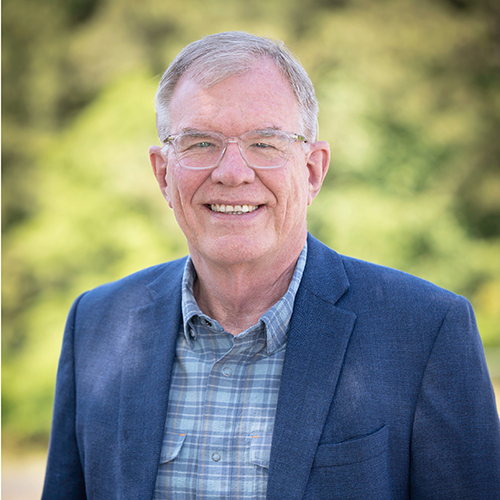
And that is Monroe Free.
And every once in a while he comes over. He and Ron Harvey, I guess, are my repeat guests. And they come over and we just have an open conversation unscripted, and then we go eat Mexican food. And that's what makes for a great podcast. And if you want to join us just as soon as you finish this episode, go find a Mexican restaurant and eat there in our honor. I don't know, something like that. Anyway, Monroe, good to see you.
[00:02:50] Speaker C: Always to be here, man. Always good to hang out with you.
[00:02:54] Speaker B: Yeah, well, I know we'll make it quick because I know you really want the Mexican food, but, man, we have so much to talk about. And I. What. What I kind of like is that our listeners get a chance to hear one of our conversations because, man, we have a lot of them. Some of them are, you know, later in the evenings over a bourbon, and some of them are in the car on the road to go see a client, and some of them are just on our Saturday morning calls. And we talk business, we talk politics, we talk religion and spirituality. We talk leadership, we talk baseball, football, fly fishing and baseball, and, yeah, all that stuff.
But I, I.
For the. For the context for our listeners.
Monroe has been. Monroe is a former.
A recovering nonprofit executive himself, you know, three decades or so in. In the industry leading organizations much like my background, and retired fairly recently from leading one of the leading Habitat for Humanity organizations in the country in Greenville here in our home state of South Carolina.
And Monroe said, hey, I don't want to. I don't want to just, you know, not do anything. I want to. I want to. And it's not just, I want to play golf or go fly fishing. I want to do something with meaning and continue to stay engaged in the world of leadership. And so he.
He is a certified leadership coach, joined us as an adjunct about almost a year and a half ago now. And. And it's just been amazing. First of all, it's been an incredible lift to the leader's perspective because we'd been able to do things I could not have done on my own. We took on some larger client engagements that involved multiple people in larger leadership teams, and I can't coach them all. And not only that, but I'm just one perspective in one way of coaching. So Monroe brings his unique mentoring style and has just added a tremendous amount of value. And my hope is. And my sense is that he's gotten value out of this, too, which is what he wanted. I want to do something meaningful.
He believed in the work we were doing at the leader's perspective, believed in me personally, and wanted to contribute. And, man, Monroe, really.
The value you've contributed, I talk about it everywhere I go. When they talk about, hey, you're building a team and you're growing, uh, just been. It's just been a tremendous journey. We were good friends before, but this is. This has been fantastic.
[00:05:28] Speaker C: Yep, it has. It has, Patrick.
I think.
I think that it has been a good fit because of our personalities. And our ambitions and those kinds of things. But I think it's been a good fit because of the vision that you had with the leader's perspective of providing, providing real care, nurturing real.
A way for leaders to advance, to enlarge, to raise their awareness.
All those things that, and that if we, if we really develop great leaders, great leaders produce great organizations which serve the community and incredible way.
[00:06:26] Speaker B: That's good. It reminds me of something I heard. I don't even know if this was Maxwell or who, but you've probably heard it, that good leaders create.
Good leaders do do great things or something like that. Great leaders produce more leaders.
[00:06:40] Speaker C: I think that's absolutely correct. Yeah, I think that's absolutely.
[00:06:44] Speaker B: And I. And that's what it takes to build an organization. Like you're talking about a culture of leadership.
[00:06:48] Speaker C: That's right. That's exactly right.
[00:06:50] Speaker B: So I have a question for you. And that is.
And I don't even know that we've really talked about this specifically, but a year and a half you've coached a number of leaders, some one on one, some sort of as part of a. A team, a senior team.
What, what have been your. As a coach?
Not, not about the, the behaviors of the leaders yet, but as a coach, what have been your learnings in a year and a half? What are your big insights and someone who's just like in professional coaching here?
[00:07:23] Speaker C: Well, I think, number one, I would say that people really need a safe space.
Leaders need a safe space to where they can not know everything so that they can be fully themselves, bring their full selves to the table.
And Patrick, that's been wonderful for me. You know, my dad was a pastor and I thought that I would be a pastor. And it's a place where you can, in essence, as the leader, you're pastoral. You're being there for them, being there with them as they wrestle with issues and, and you know, the whole philosophy, if you will, of, of the leader's perspective is it's, it's not that our job is to draw it out of leaders.
It's not to be the consultant who says this is what you need to do, but to create a safe space to ask the right questions, to help them find what's already inside of themselves and to enhance it.
[00:08:37] Speaker B: You and I, I think both experienced a similar challenge early on in our coaching, which was to resist the temptation to advise.
[00:08:46] Speaker C: That's right.
[00:08:47] Speaker B: And there's hybrid. I mean, we both do some of that even in our coaching work. There's, you know, sure, Share some perspective, give some, tell some stories, you know, give some even give some recommendations. But for the most part, at least 80% of it is not that. And it's a struggle, especially for someone like, you've got a good bit of. You better. You've seen, as they say, the, the state farm guy. We've seen a thing or two. We know a thing or two because we've seen a thing or two. So it's a difficult thing to stay in coach mode.
[00:09:16] Speaker C: That's exactly right. And, and, and it hasn't happened since yesterday that, that I was, I asked a question and it was, it was a tough question, I'll admit to that.
And the coachee on, on the other end, I watched them kind of really think, think hard and finally say, I don't know, what do you think?
[00:09:44] Speaker B: Oh, yeah.
[00:09:45] Speaker C: And, and I wanted to give the answer, but I knew it was more important for them to discover the answer themselves, which they did. Yeah. Took a little more prompting, a couple other questions, and they, they uncovered something that was inside of them and that's so much better than if I had answered her. What do you.
[00:10:07] Speaker B: You know, I talk a lot about my first coach and mentor and teacher, Dr. Jim Smith at Leadership Systems. And he, he tells a story about a. I think it was a doctor or head of a big medical facility or something. And he didn't know anything about that arena. Right. He's a leadership coach, but he's not in the medical field.
And this guy asked him, you know, hey, you know, Dr. Smith, what do you think I ought to do about such and such and, or. No, I, it was backwards. He said, well, what are some things you could do? Jim Smith said, what are some things you could do? And the, the guy looked at him and said, well, I was kind of hoping that for the money I'm paying you, you'd tell me that.
And that's, and so that's. The other thing is not just staying in coach mode, but training and conditioning the coachee that you're not there to tell them what to do or answer their questions. And you don't want me doing that.
[00:10:59] Speaker C: You, you don't.
[00:11:00] Speaker B: We don't want me trying to solve your problem because you're closer to it. You're more the, you're the expert in your arena.
[00:11:06] Speaker C: Yeah, but what we can do is provoke their thinking.
[00:11:10] Speaker B: That's right.
[00:11:11] Speaker C: And give them, help them find a broader perspective, a new way at looking the same old problem.
And I talk about this. One of the questions we ask the most is what are other options?
[00:11:26] Speaker B: Yeah, what's another right answer?
[00:11:27] Speaker C: Yeah, what's another right answer to. And it's. It's fascinating.
It's more than fascinating. It is incredible joy to watch people
[00:11:40] Speaker B: come to that, watch the light come on.
[00:11:42] Speaker C: Yeah. And the light come on. And it's not just a light come on for an answer, but it's a light of an awareness.
I got more on the ball than I thought I did.
[00:11:51] Speaker B: Yeah. Or I never thought of. I was coaching someone a couple of days ago as part of our training. So, you know, we have a. We have our. On. You've been through this. We have a certification training for coaches, and part of the training is practicum, which means the student has to demonstrate some coaching.
But another thing is that we want the student to experience coaching. And so they get two coaching calls with me. So I'm coaching one of these students the other day, and at the end of the coaching session, because it's a training course, I asked, okay, what did you observe? How did you experience this coaching session? What did I do? What did this do for you?
And the answer was, well, it got me to think of things I hadn't thought of before, and it got me to see things differently. And I'm not sure how it did that, but it did.
And so I said, well, let's explore that.
What do you think it was? Because I didn't ask you anything really profound, I sure didn't give you any answers.
Why do you think it is that in a coaching conversation, someone else can draw that thought out of you that should have been there all along, or it was there all along, it just wasn't unlocked.
And we collectively came to the conclusion that the coachee makes assumptions. We all make assumptions about what's happening for us.
And when a third party challenges that assumption with a question, we're not asking the question because we've already made the assumption. We don't think we need to ask this question, but when an outside party asks it, it makes us go, you know, now that you ask that, what. Or I hear this a lot. Now that I said, now that I say that out loud, you know, hearing myself say that out loud, I. Well, you know, you're. You're right. And they'll often say, you're right, even though all I've done is ask him a question. Yeah, I love that, too. Oh, you know, you're right, Monroe. It's like, what am I right about? I just asked you what you thought. So it does. It unlocks thought that we should have.
But it's somebody that safe space like you talk about.
[00:14:05] Speaker C: Well, and it's space because most of the leaders, certainly the ones we work with, their life is. I go to meeting, to meeting, to meeting to meeting. The meetings overlap. They don't have time to stop and broaden their perspective, and they just don't. And they're not.
It not only doesn't feel safe for them, but it also just is a practical matter. They don't have time. And so we set that time.
[00:14:38] Speaker B: They have time.
[00:14:40] Speaker C: They don't.
[00:14:40] Speaker B: That's not how they use their time.
[00:14:42] Speaker C: That's it. You're. You're exactly right. And so we make that time where they can just.
Just do that. And it's fascinating. You know, I don't. I don't know exactly how you start those conversations. Most of the time, I start the conversation. Just catch me up. Yeah, that's right. And they start with a litany.
[00:15:02] Speaker B: They'll tell you a lot.
[00:15:05] Speaker C: And so. And you. You. You pause there and ask a couple of questions, and it. It just begins to. The word is elevate. Yeah. It elevates their thinking.
[00:15:16] Speaker B: Yeah, it does. It does. One of the ways that I define coaching is that it's just a forced pause.
[00:15:23] Speaker C: Yeah.
[00:15:24] Speaker B: It's a. Times that. Yeah. I've got this hour with a coach.
I'm here. It's an hour. It's. It's a forced pause. Whether I forced it for myself because I've hired a coach.
[00:15:34] Speaker C: Yeah.
[00:15:34] Speaker B: Or my boss hired a coach for me. In any case, it's a forced pause. Or you have to stop and think about these things. I tell people, I asked people. Do you have a. Do you have a strategic plan for your organization? Oh, yeah. Do you have a budget?
[00:15:49] Speaker C: Oh, yeah.
[00:15:50] Speaker B: Do you have an annual calendar? Oh, yeah. Do you have a to do list for the week?
Your personal to do. Oh, yeah. Yeah. Yeah.
Do you have a leader plan?
A what?
Do you. Are you as intentional about your leadership intentions and behaviors and approaches as you are your functional work?
Why is. Why not. Why wouldn't we be?
Which. Which is probably even more important than those other things.
But we don't.
We don't have a. We don't have a plan for how we're going to lead. How am I going to. How am I going to delegate more effectively this year? What's my plan for that? What's my plan for getting a little more assertive when my. When my team needs me? What's my plan for improving my emotional intelligence around navigating Community politics.
I don't have a plan for that. It's just supposed to happen. I'm either an innate leader or I'm not.
[00:16:49] Speaker C: Yeah.
[00:16:49] Speaker B: Why is that? Isn't that weird when you think about it that way?
[00:16:53] Speaker C: I think there's a myth out there that leaders are born and not made.
And, you know, there are some qualities that are often found in leaders, perhaps, but you. You really have to develop the skills of a leader. And when. When I look back over almost 40 years of being CEO and a nonprofit, and look how I was in the beginning, it's amazing to me that those organizations survived.
But. And look at how I. I had to grow. And one of the stories I tell is that I actually had to recreate myself. In both organizations that I led, I had one of them. I had to recreate myself three times and one, Just two times, but because I had to figure out, I had to plan, how can I be the leader the organization needs?
And it was different than what the organization needed in the past.
[00:17:58] Speaker B: So.
[00:17:58] Speaker C: And you really have to. I mean, that requires some planning, it requires some support. It requires some.
Some diligent effort, some planned effort. And. And. But I. I think most organizations are like that at one point. What the organization needs from its leader is not what it is. You know, 5,000 five years later.
[00:18:21] Speaker B: What I hear a lot when you talk about reinventing yourself or recreating yourself.
Many of the coaches that I've coached, many of the leaders I've coached, it feels. That feels inauthentic because it's like, well, I don't want to change who I am. You're asking me to change who I am? No, I'm asking you to change how you're showing up.
I'm asking you to change how you approach certain systems and patterns of problems and issues. And, you know, if you think about it, well, if. If the idea is I don't want to change who I am, well, then we never. We never grow. We never make progress. We don't get better. We don't. So there's that line where I'm trying to help a coachee understand that behaving differently, speaking up more in meetings, for example, because you're too passive. That's not changing who you are. That's stretching your boundaries.
[00:19:17] Speaker C: Yeah, absolutely. And we talk a lot about servant leader leadership, leaderhood, whatever. Leaderhood.
[00:19:25] Speaker B: Servanthood.
[00:19:26] Speaker C: Servant leadership. Yeah, servanthood.
And we talk about that. And part of what it means is being what the organization needs.
It is. It's not just. It's not self Interest. It's not what I need to be as a leader. It is what does the organization need from me, from its leader in this role as leader, what does it need? That's, that's a fundamental part, that is maybe the fundamental part of servant leadership.
[00:19:57] Speaker B: What are you, in the year and a half that you've worked with us?
What patterns are you noticing in leadership? What are the common challenges that just keep showing up?
[00:20:09] Speaker C: Well, it is always, it is always. I've got more to do than I can do everybody for profit guys, nonprofit guys. I can't say grace over everything that's in, that's in on my plate.
And that is oftentimes that's a prioritization issue.
It's a, it's figuring out what, what will make the organization effective and delegation. All those kinds of things are part of it.
So that's, that's part, that's part of what I pretty much, pretty much everybody wrestles with that in one way.
[00:21:01] Speaker B: Bandwidth limitations.
[00:21:02] Speaker C: Bandwidth. Yeah, bandwidth limitations.
And I think the, the other one, and I'm especially hearing this a lot at the moment, I just, I'm just worn out.
I'm just worn out. You know, I just, a non profit leader just finished a large capital campaign.
I don't know how much longer I can do this large non profit, a small non profit where the executive directors wearing, has to do everything, a bunch of hats and it's like I just can't keep, I can't keep the pace. I can't keep up anymore. I dropped, I missed a deadline. And they said to me recently, I've never missed a deadline in the five, seven years, seven years since I started this organization.
I've missed two deadlines lately.
And you know, those are.
I hear that consistently.
It has a burnout flavor to it, but it's. Nobody talks about it quite like that.
Those, those are the things, those are the things I'm hearing the most of right now.
[00:22:19] Speaker B: Yeah, I hear that a lot too.
And one of the things that for a number of years I've tried to help leaders focus on is everyone talks about time management.
And I've talked a lot about that on my YouTube channel and on this show. You know, I think time management is a misnomer as a term because we don't manage time, but we manage ourselves and we manage our energy.
[00:22:41] Speaker C: Yep.
[00:22:42] Speaker B: And I again, I've said this many times, so sorry if you've heard it that many times, but somebody said Dr. Kim Hires, in fact, I'll give her name credit and she's she was on our show a number of years ago. Look her up. She's a burnout specialist. Like a scientist. She. She really talks about burnout, like, what it really is. We often use the term it's not really burnout. And sometimes we use other terms, not realizing that it is burnout. Burnout is a serious thing.
But she made the difference between energy and time this way. She said energy is replenishable. Time is not.
[00:23:19] Speaker C: Yeah.
[00:23:20] Speaker B: When time, you know, the time when. When it's gone, it's gone. We never go. We can never get it back. Energy, we can actually get it back, can actually recharge like a battery.
And so if we're. If we're thinking about managing our energy and our bandwidth, not managing our time, managing where do we spend our energy? And I find that when I ask coaches that question, I don't ask, where are you on. On what in your work are you spending the most time?
I ask, what are you spending the most energy on?
[00:23:54] Speaker C: Yep.
[00:23:55] Speaker B: And that often helps them reframe this. I have too much to do and can't keep up with it. It's like, well, where.
What am I. What am I giving energy to?
And then the big question is, how am I replant? What's replenishing that energy for me? Because you can't, you know, you do have to do that.
[00:24:14] Speaker C: Yeah.
And Peter Drucker said, the guru of modern management, Peter Drucker, said senior leaders can only focus on three things at a time.
And I'm often asking people, what's your three things?
It doesn't have to be the same three things this quarter as it was
[00:24:33] Speaker B: last quarter or today as it was
[00:24:35] Speaker C: yesterday or today as it was yesterday. But what. What are the three things you're working on? And as a leader, does your team know what your three things are?
[00:24:44] Speaker B: That's right.
[00:24:45] Speaker C: And so it's. That's the thing you asked the question, what am I hearing? The other thing I'm hearing that is how difficult it is for people to have critical conversations. Oh, yeah. I don't think I've had a client for profit or nonprofit. I don't think I've had a client where I haven't recommended the book Critical Conversations and had many conversations with them about, okay, how. How do you have this conversation with this employee that. That you need to have?
And everybody struggles. You know, we have this image of bosses as being the guy who stands up and he's just hard as a brick, and he just says what he needs to say or she says what she needs to say and golly, my experience is leaders are really scared of those scared of and don't know what to do when they need to have a critical conversation.
[00:25:46] Speaker B: I'm glad you said it because it's always the thing I talk about. It is an absolute, it's a, it is a pervasive issue in leadership.
And I think, and I, and I think there's some research behind this.
The challenge is deeper in the nonprofit sector. I think that's true because of the altruism and empathy factor that comes into people that have made their living in the nonprofit sector.
They don't want to hurt anybody. They don't want to including their, their low performers. And it just don't they. The conflict muscle just isn't there.
[00:26:25] Speaker C: Yeah.
[00:26:27] Speaker B: And by the same token the, the people in lower levels don't know how to lead up by initiating conversations with their leaders.
[00:26:39] Speaker C: Yeah.
[00:26:40] Speaker B: So it goes in both directions.
I've written an article recently for Forbes that I'll preview here about the nonprofit sector and how they profile on the DISC assessment. And we don't have time on the show to go through disc. Look it up. It's a real simple model. Most, most of our listeners probably are aware of it.
But long story short, the sector is low in D and high in S.
D is decisive, daring, dominant, bold, visionary, innovative, quick decisions, yes or no answer. Let's do, let's act, let's not get stuck in the perfection and let's, let's move. Change leadership, fix what's broken. Right.
S leadership is conflict averse, steadiness, attention.
It's a people lens, Servanthood, nurturing, empathy, all those things. The sector is strong in S, low in D. I did my own research on this with the 357 disc assessments I've administered since 2020.
[00:27:49] Speaker C: Yep.
[00:27:49] Speaker B: And it shows it.
So now you look at the research that talks about how you can over empathize.
And I came across some research and I not coming up top of my head. I cite it in the article but there was a, a research project done that calculated the cost of missed or neglected crucial conversations.
And I, you know, you'd have to read it the whole sect. I don't have time to go into how they came up with it. And of course it's a, it's a reference point but they referenced that it cost 70, $500 for every missed or neglected crucial conversation.
And think about that in the workplace. How many, how many of those we're not having. And this is, you know, underperformers that I've watched go years, not the right person in the right position, never going to grow that, never going to create the value that organization needs them to create. They're also never going to get fired and, or I shouldn't say fired, confronted with the reality that they need to grow.
[00:28:58] Speaker C: So these are mission focused.
[00:29:00] Speaker B: Yeah. Yeah.
[00:29:01] Speaker C: But you think about nonprofits as being very. That what makes them wonderful is they're so mission focused, but with low Ds and high Ss. High Ss are very people focused. Yeah.
[00:29:13] Speaker B: And.
[00:29:14] Speaker C: And so it really is a juxtaposition of how we tend to think about it.
[00:29:19] Speaker B: Yes. And by the way, it doesn't mean that S leaders can't be effective.
[00:29:23] Speaker C: Absolutely.
[00:29:23] Speaker B: Thousands and thousands of them are leverage. That it's, that it's a caution that if you are a low D, you can't resign yourself to saying, well, I'm a low D. Yeah. So I just can't, I just can't do it. It's not a competency model.
It's a, it's a preference model. There are things that I don't prefer to do, but you know, you got to do them. And people go, I'm a low C. I just, I just can't do detail. Yeah.
[00:29:49] Speaker C: I tell you, instance, I was working better.
I was working somebody. This was a few years ago now, but friend. And he was talking to me because he had a low performing person.
And I started talking to him about it. He had put that person in four positions and in all four positions they had underperformed.
And so he was talking to me about, okay, I think I found this other position that they're going to succeed at.
Well, oh, maybe keep your fingers crossed because, you know, the chances are.
[00:30:28] Speaker B: And meanwhile, what's it costing to replace his. Every time he leaves a position, someone else has to come in and learn that position.
You know, we all know how turnover costs money. So anyway, yeah, I agree. I think I. People ask me about book recommendations and one of the things I've said now for years is if, if I had the power, if somebody said, patrick, you can make one book mandatory reading for every leader, I would pick crucial conversations.
[00:30:57] Speaker C: I would take it a step further. I would say it ought to be read in every, for every student. I don't know whether high school or college, because it's so important in life, period. And in leadership. It's absolutely essential.
[00:31:12] Speaker B: And yeah. And in today's world of social media and how we communicate and it's emotional intelligence, it is and it's suffering badly. I'm watching it, I'm just watching it just decline and decline and decline.
Related topic. So another thing I hear from my leaders is not all of them, but many of them.
There is an almost a demoralizes, a demoralization happening for leaders because of the stress and strain of the current social slash political, cultural environment.
[00:31:54] Speaker C: Yep, absolutely.
[00:31:56] Speaker B: So this weird. You, we won't go into politics or any of that, but it, wherever you land, whatever your ideology is or how you approach politics, and we're talking about national politics here.
There is such division, such. There's toxicity, there's vitriol, there's fear, there's assumptions, there's. And so it's, it just creates a vibe.
[00:32:23] Speaker C: It does.
[00:32:23] Speaker B: And it's affecting leaders just, just from an, just a more a morale standpoint.
[00:32:29] Speaker C: And one of my observation and talking to local leaders, it used to be that national politics or national politics, local politics were different.
Many of it didn't matter, whether Democrat or Republican or independent. You know, we, we, we, we voted for people. And, and that has really shifted in our country. And now everything local becomes a political, political battle. And you have to fight all the time those political battles even, and even locally. And that's really different. That's a really different.
[00:33:10] Speaker B: You and I are coaching some municipal leaders and I'm coaching one who said, you know that you used to say that all politics was local.
[00:33:18] Speaker C: Yeah.
[00:33:19] Speaker B: Now it's flipped. All politics is national.
[00:33:22] Speaker C: That's absolutely all of it.
[00:33:23] Speaker B: All the conversations are you're either here or you're there. And it affects everything that's done locally because you got people are going to associate you somewhere at a national.
[00:33:33] Speaker C: That's exactly right. And yeah, community meetings are no longer just community meetings.
[00:33:38] Speaker B: That's right.
[00:33:39] Speaker C: That's right.
[00:33:41] Speaker B: So how, how does a leader overcome that? You got a job to do. You're not, you're not managing, you know, your job is not at Capitol Hill or whatever. Maybe you're leading a pharmaceutical company, maybe you're leading a municipality, maybe you're leading a non profit organization or a retail shirt store. How do you, how do we help leaders, I don't know, mitigate that demoralization, stay above that fray with their people. I mean, how do you, how do you, how do you approach that?
[00:34:17] Speaker C: Well, I think, I think Patrick, the key in staying above that maybe instead of saying stay above that, not getting caught in the, the bog of that is to stay focused on the narrative of your, of your organization. The why, what we've done what we've accomplished, how we've helped help people. Telling the story.
You were a United Way executive. You know, telling the United Way story of this isn't just about money coming from the people who work at Michelin. It is about that. That the people that we are helping, the families who are able to get the help they need so that they can have a healthy family where their kids can.
Can progress and their kids can aspire to higher things.
I think staying focused on those kinds of things, telling that story, telling yourself that story.
You know, I was reminded this. Just recently, my wife and I were going to eat in a Mexican restaurant, and we were one of our favorites. We were coming out after eating, and a lady and her son, who I had remembered being about six or seven, who is now about six foot seven, and. And, you know, she saw me, she grabbed me. We, you know, it was a family that Habitat had helped. And she began to tell me, you know, all four of my kids now have college education. That couldn't have happened if we hadn't gotten a Habitat home. You gotta. You gotta stay connected to that.
[00:36:14] Speaker B: Remember the story.
Someone said a long time ago, some. A leader in the United Way Network said, we have to know the story. And the stories, yes, like, there's an overarching story about who we are and why we're doing this, and then there's the stories.
I like what you're saying because it's.
It's a tenet of coaching, which is appreciative inquiry.
[00:36:35] Speaker C: It's.
[00:36:35] Speaker B: It's related to that.
We call it motorcycle riders, call it target fixation.
You see the pothole. Great. See it, acknowledge it, and then immediately turn your eye toward where you need to go. Yeah. Not where you don't want to go.
[00:36:51] Speaker C: Yeah.
[00:36:52] Speaker B: If I stay focused on the pothole. Oh, my gosh. Oh, my gosh, there's a pothole. I'm going to hit the pothole. I think leadership is the same way. Our organizations go where we're looking.
And if we're focused constantly on the toxicity and the problems in the national politics and, you know, despair and all of that, then we're not focused on exactly what you're talking about.
[00:37:16] Speaker C: And let me ask you a question about another kind of toxicity.
What about positive toxicity?
What about a leader who. Who feels like, I've, I've got to.
I've just got to be positive, I got to be upbeat, I got to be all this all the time. And it's not necessarily rooted in reality, it's not genuine.
[00:37:42] Speaker B: Say it Again, it's not genuine.
[00:37:43] Speaker C: No, it's not. Yeah, well, I. They mean to be genuine. They mean to be helpful, but it's not. It's not the true story.
[00:37:54] Speaker B: You know, you mentioned that term to me earlier, and the way I'm thinking about it now is that, yeah, I know plenty of people who are just by nature, they're positive people. So they're. To say they're not genuine is not. That's not what I meant to say. The toxic positivity is when it isn't genuine. Right. When it's forced. Because you're trying to.
A deeper nuance to that, for me, is the inability to read the room.
You know, you have to acknowledge when things are difficult.
And that's one of the things I found, you know, back. Back when. Let's take Covid, for example.
You know, especially in the nonprofit sector, we do so much of our work. Boy, it was.
I mean, really. I guess it was everywhere.
And the idea was, you can't just say, oh, but we're going to get through this. And it's going to. You have to acknowledge. You have to acknowledge that your people fear, am I going to get laid off?
Yeah, just acknowledge it. Don't. Don't reinforce the fear. But say, look, I know we're in tough times right now. I know there's a lot of uncertainty.
Here's what I can tell you. Right. Not, hey, everything's going to be fine. Just don't worry about it. You got to read the room. You have to acknowledge.
And yes, you can still be. You can still have a favorable outlook on life and your company without being inauthentic.
[00:39:18] Speaker C: Yeah. And in a sense, is it. Is it telling the whole story?
It's not telling half the story. Yeah, yeah, yeah.
Because half the story is, oh, we're going to get through this.
Yeah, I believe we're going to get through this.
Yeah. But that doesn't mean it's not going to be hard as a devil for the next little while.
[00:39:38] Speaker B: Yeah, that's right.
[00:39:39] Speaker C: Yeah.
[00:39:40] Speaker B: So I think acknowledgement is a. Is a big part of that.
I want to. I want to ask you one more question or just open up one more topic that you and I have talked about recently.
Maybe dig a little deeper, because you asked me a question recently, and I haven't turned it around and asked you the same question. So I'm about to get ready.
We were. We were on the golf course at Kiawah Island a couple months ago. We were at a conference together, and we're. We're we're out on the course and you.
I don't remember the context where it came from, but at some point you asked me, Patrick, what drives trust for you? What builds.
I forget exactly how you worded the question, but what is it that people do to build trust for you?
And my response was something along the lines of reliability and keeping your commitments so little, from little things to big things. If you say it, do it.
If you say 2 o' clock Tuesday, just be there at 2 o' clock Tuesday.
Let me count on you. Let me know that when I've booked something with you. It's booked. Yeah, because I live that way. And so, you know, I, it's, it's one way you can build trust, a track record of reliability. And we talked more about that and that being a value system for me.
I haven't turned around and asked you that question.
What is it for you that strengthens your trust in people?
[00:41:13] Speaker C: Yeah, I want to back up and talk about why I asked that question, because I think it's important context. I think the reason I not think I know and I thought about it before we got to the golf course and decided that I would ask you while we were playing that the relationship was important enough to me for both personal and professional reasons that I wanted to know what I needed to do to maintain trust. Because I just. My core belief in life is everything that's good is built on trust.
So that's, I want to say that. And the way, the reason we, the reason we need to understand how others build trust in our organizations, in our families, et cetera, is because those relationships are important.
[00:42:17] Speaker B: That's right.
[00:42:17] Speaker C: They're really, I mean, they're the, they're the great value of life and the meaning of life is found in them. So we want to build trusting relationships. So if you ask me how I build trust, I think of a couple of things not differently than you, is I want to know that you're dependable. If you say you're going to do it, you're going to do it. If you say you're going to show up, you know, if you say you're going to deliver this product, you know, deliver the product.
I think that's part of it for me, but the other part of it for me, I think, is that.
You, a person that I trust, is somebody who takes the time and to, to, to know me, doesn't stop at what I can do for them or, but would they. They, they, they know who, who I am, what are my, my values what drives me. They want. There's a, there's a level of relationship there.
That, that, that's how I, I think I build trust.
You know, Patrick, we, we talk a.
And the coaching experience.
And, you know, I'm more likely to trust somebody who's asking questions than I am somebody who's providing answers. I'm. I'm more likely to trust somebody who's asking me about myself, questions about myself, trying to understand me.
That, that, that's probably.
And as I think about it here, Patrick is probably not just getting to know me, but that's, that's who they are as people.
They.
What was it Covey's seeking to be.
Seeking to understand before you seek to be understood.
These seven habits.
Yeah. That's the kind of person that I, I trust.
[00:44:45] Speaker B: So, you know what, what dawns on me as you say that I'm reminded of the love languages.
[00:44:52] Speaker C: Yes.
[00:44:52] Speaker B: And how we have. And there's a, there's actually a corporate version of it. I think it's the, I think it's the firob. I don't know if you've ever seen the fi. Roby assessment, but I have taken it. But it measures the wanted versus the expressed or the needed versus the expressed.
[00:45:10] Speaker C: Yeah.
[00:45:10] Speaker B: And we, we're blind. We're blind by it. So what I've just noticed is what you say others can do to earn your trust.
You actually demonstrate it.
It's actually, it's a value for you. Oh, you've asked me those kinds of questions, man. You know, Patrick, where does your, where does your musical gift come from? Was that a family thing? But you're constantly asking me questions like that a lot. Sometimes it's out of the blue.
[00:45:40] Speaker C: Yeah.
[00:45:40] Speaker B: I always appreciate it. You always feel like, man, that feels like somebody actually cares about something in my life. Your question about, hey, what can people do to build trust for you? So you're actually expressing and I don't know which comes first.
Do you want it because you express it or do you express it because you want it?
And because you noticed that about me when you asked me the question about trust and I said, do what you say you're going to do. Be there when you say you're going to be there. Well, I live that. I think I do.
I think I do. I. I'll commit If I commit. 15 minute phone call for you.
You know, somebody else wants that spot. Sorry. You know, it's just there.
[00:46:25] Speaker C: Absolutely.
[00:46:26] Speaker B: So, so I express it. And I wonder, do we see the needed or do we see the expressed? Or vice versa?
[00:46:35] Speaker C: Well, it's. It's kind of a golden rule kind of thing, I think, with me that, you know, doing the others as you would have them do unto you.
I think.
Yeah, I think it is. I think that's part.
[00:46:53] Speaker B: It's interesting.
[00:46:54] Speaker C: That's part of it for me.
[00:46:55] Speaker B: It's interesting because I think we can be blinded by.
If I'm expressing my values without being aware and paying attention to and respecting someone else's values, but I think I am because I'm expressing mine. I don't know if that makes sense.
[00:47:16] Speaker C: Yes.
[00:47:16] Speaker B: I'm not really paying attention to what. What drives it for you. One of the things. Speaking of Covey, in his trust book, he goes through behaviors that drive trust. My favorite one is to. To earn somebody's trust, extend trust to them.
[00:47:35] Speaker C: Yes.
[00:47:36] Speaker B: What a powerful concept.
So one trust, one behavior that builds trust in you is to extend trust to others.
[00:47:45] Speaker C: Yes.
That. That really resonates.
[00:47:48] Speaker B: That's. It's a powerful leadership tenet. And what I've learned from it over the. Over the years since reading it is saying I trust you is one thing, and it might even mean it, but actually, just trusting you feels different.
[00:48:05] Speaker C: Yep.
[00:48:07] Speaker B: You know, if I'm. If I delegate something to you as a leader, that's tough, it's challenging, it's rewarding, It's. It's because I trust you. I don't have to say, hey, I trust you with this.
[00:48:19] Speaker C: Yeah.
[00:48:20] Speaker B: The actual act expresses the trust.
[00:48:24] Speaker C: Yeah.
[00:48:24] Speaker B: And so we should probably pay attention around us to people that aren't.
Aren't ex. Really expressing that they trust us. They don't have to say it. We can feel it.
[00:48:34] Speaker C: That's right. Same way with love.
[00:48:37] Speaker B: That's right.
[00:48:37] Speaker C: Same, same, same.
So, yeah, that's good. That's rich.
[00:48:42] Speaker B: I had. I had a pastor once. You know, he told his wife and he. This is he. I'm sure he didn't make this up, but, you know, when she would say, you don't say I love you very much.
He said, I told you I loved you when I married you. If I ever changed my mind, I'll let you know. Yeah, I've heard that we do that as leaders, though. We assume they. They know what we're thinking. They know that we appreciate them. They know that we. No, they don't. They don't.
[00:49:10] Speaker C: The baseball coach I had and in high school used to say, don't get worried if I'm fussing at you. Get worried if I'm not worried if
[00:49:20] Speaker B: I stop here, man, we could go on and on and on.
[00:49:24] Speaker C: I want to ask you one more question before we go. Okay.
In the last two weeks,
[00:49:31] Speaker B: I don't even remember the last two weeks. Last two weeks to pull up my calendar.
[00:49:35] Speaker C: What have you done that's really brought some joy into your life?
[00:49:39] Speaker B: Oh, man.
You know, a number of things since, since my heart surgery seven months ago. Monroe.
[00:49:52] Speaker C: Yeah.
[00:49:52] Speaker B: A little different perspective on the simple things.
If I'm out on my motorcycle, I'm finding joy. If I'm at a Mexican restaurant, there's a few things that bring me more joy. There really is. If I'm hanging out with you.
[00:50:07] Speaker C: Yeah.
[00:50:07] Speaker B: If I'm hanging out with my wife or watching a show together, anything.
My sister and I are going to a concert tonight. Just, you know, so take taking the time to do those kinds of things.
But the work gives me joy.
[00:50:23] Speaker C: Yeah.
[00:50:23] Speaker B: Too. It really does.
It's, it is rewarding. So in the last two weeks, I've worked on some projects that I've been putting off and they're getting momentum and so I'm getting into a zone. Like I'm, we're creating this assessment tool and I'm, you know, my son and I are building it. He's the coder and I'm, I'm kind of the content developer. But I'm just all over it. It is energizing me. Talk about energy. A while ago, I've, I've often said that my work consumes energy while it's also giving it back. It's circular. I actually get energy from my work and, and, and also joy from my work because it's fulfilling.
[00:51:05] Speaker C: Yeah.
[00:51:06] Speaker B: So in the last two weeks, those are quick things that come to mind.
[00:51:08] Speaker C: Yeah.
[00:51:09] Speaker B: What about you?
[00:51:13] Speaker C: You know, there's been a couple of instances.
One, I took a couple of friends fly fishing to teach them, quote unquote, the fly fish recently didn't get anything out of it. I didn't fish. I just, you know, tried to help them.
That act of, you know, where you're giving something, you're not getting anything back.
And I had a. Similarly had an old friend that's a non profit leader, not paying me as a coach or anything, but he's got a really tough job and I went to breakfast with him and just talked, you know, and not, not, you know, once again, no pay and I wasn't coaching except, you know, it kind of becomes part of who you are. But yeah, there's a couple of times where I just, I did something without any expectation of return.
[00:52:20] Speaker B: That's yeah, I've seen that. I will often be in some deep conversation or even trying to unpack a problem and solve it, and I'll. I'll say something like, monroe, thanks for. Thanks for thinking through this with me. And you've often said, I don't know if you realize this, but you'll often say, oh, I love doing that. I do. I love this. This is stuff. I eat this up and it's better than dessert.
[00:52:42] Speaker C: It really is better than dessert.
[00:52:45] Speaker B: I sense that that's fun. I sense that my wife and kids
[00:52:49] Speaker C: won't listen to me on this stuff, so I have to find other people, you know.
[00:52:55] Speaker B: That's right. Well, man, thank you.
[00:52:57] Speaker C: Thank you. It's been really fun.
[00:52:59] Speaker B: Yeah, it has. We. We need to do it more often, especially as we, you know, become deep, more deeply engaged in. In our work and more deeply connected.
I think it's. I hope it's helpful for people listening to just. Yeah, these are. Yeah, these are important guys. What do I think about that? And.
[00:53:16] Speaker C: Yep.
[00:53:16] Speaker B: So I appreciate it very much, and I want to encourage you to go back and hear all of Monroe's episodes. He's been. I think this is about the third time that you've been on the show, if I'm not mistaken.
But we have. This is episode 152. So there's a lot to go back and listen to. Check out our YouTube channel.
Everything's on our website at the leaders perspective.com if you're interested in learning how to coach. We do that too. So check us out on our website. You'll see all of that. And in the meantime, lead on it.