Episode Transcript
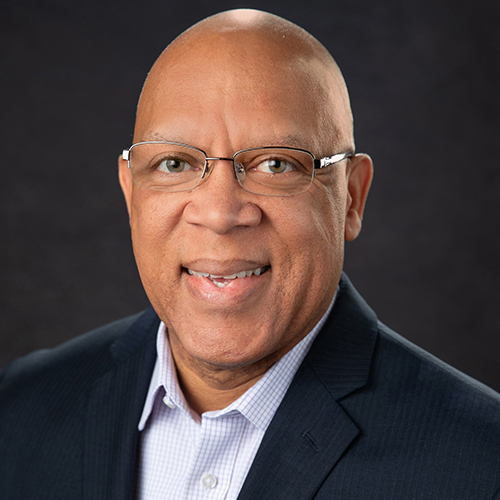
[00:00:06] Speaker A: Welcome to the Leadership window podcast with Dr. Patrick Jenks. Each week through a social sector lens, Patrick interviews leaders and experts and puts us in touch with trends and tips for leading effectively. Patrick is a board certified executive coach, a member of the Forbes Coaches Council, a best selling author, award winning photographer, and a professional speaker.
And now, here's Dr. Patrick Jenks.
[00:00:30] Speaker B: Man, hard to believe that it is. We're heading into November 2026.
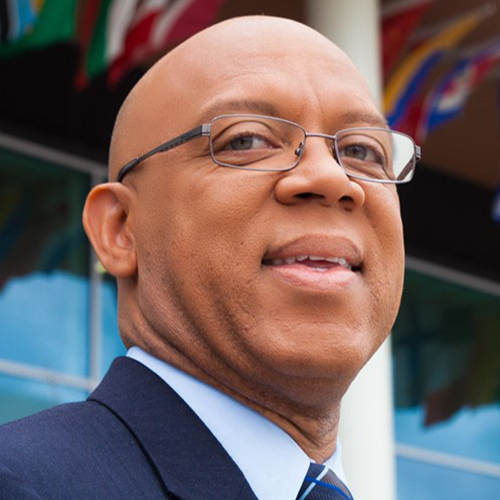
Goes faster every year, I think, Ron. But anyway, we're here. Episode 163 of the Leadership Window. Thanks for joining. And this is that time. I don't know if it's been a quarter, we tried to do this about once a quarter, but this is that time that my good friend Ron Harvey from Global Core Strategies and Consulting comes over to the studio and spends a little time with me. Normally we do a podcast and then we go eat Mexican food. Today, Ron is a very busy person and has carved out a spot to come and be able to do this, but might be a little too tight for Mexican food this night. So we'll just go do that without a podcast at some point because we got to work it in, we got to get to stay on track. But Ron, thanks for coming over, man.
[00:01:19] Speaker C: Thanks for having me, man. Always excited.
[00:01:22] Speaker B: Yeah. So for those of you that haven't listened to our previous episodes, ron is our 1 recurring guest and he comes about once a quarter somewhere in there, maybe a little more often at times, I don't know.
And we've come to do what we call five questions with Ron Harvey.
And what it is, is I pose questions. I don't give Ron the questions in advance. He comes, he sits down and he just, he's in the hot seat.
And I share with him questions that are issues or areas that have come up maybe recently, maybe not so recently in my coaching of leaders and teams.
And so I've got situations where I'm having to answer these questions. I like to hear what Ron's sort of advice is on it. So Ron steps a little bit out of coaching mode and into just kind of theory and his perspective on things and you know, the approach he would take.
And that's what we do. So I don't know if we've got got any repeat questions in here or not.
Some of the themes, I don't know about you, Ron, but I would imagine this is true for you. When I'm coaching leaders, some of the same things come up over and over and over, right? There's burnout or there's difficult employees or there's Challenges leading up or, you know, what are maybe two or three of them? This isn't one of the five questions. I get a bonus question.
What are maybe two or three of the most common things you see all the time?
[00:02:57] Speaker C: Probably just a lack of trust through organizations is probably the one that shows up the most. And really just navigating conflict. It's becoming more complicated to navigate conflict.
[00:03:06] Speaker B: Trust is. You just. Are you reading my note? Don't look at my screen. That's my first question.
Yeah, trust is a big one. In fact, let's just dive in here.
Here's the question. What is your approach as a coach or a consultant when you're working with a leadership team? Now I'm talking about a leadership team in which there are trust issues within the team. And this could be trust between like CEO and VP level. Could be across VPs, people sort of jockeying for position, competing with each other, not getting along from a personality, whatever it is. But it's, it's created a trust issue.
What is your approach when you know you're working with a leadership team on which there's a trust issue?
[00:03:51] Speaker C: Yeah, I mean, it's happening so much now. Patrick is really first getting them to admit to the fact that there is a trust issue.
It's probably the biggest. Even if I identify it and they don't, it's hard to work through it. So getting them to the place where first they identify that it is and they accept that it is, and then getting to the root cause of is it with this team or where is it really coming from?
Most people, when you even ask them what trust means, most people can't define it.
[00:04:17] Speaker B: Right.
[00:04:17] Speaker C: They struggle at it. And when you're in a leadership role, it sounds unfair, but it's real.
Most leaders don't realize they have to give away trust and they're not prepared for that. They kind of want to, like they just going to trust me. Coming to a leader. Well, your position in your title doesn't give you authority of that. People must trust you. And that's a hard thing to accept and navigate through. It's real, it's going to happen and how do you navigate. So really first approach is first getting them to accept that there's a trust issue and then define where is it coming from.
[00:04:50] Speaker B: Yeah, and that's hard to do when you're coaching the team as a team.
It's hard to speak out and say, well, I, you know, okay, I'll, I'll say it. I don't trust Ron. Yes.
[00:05:00] Speaker A: Right.
[00:05:01] Speaker B: So Trust. And I know you and I probably define this in a similar way. I know that we both are followers somewhat of Stephen Covey's model on trust and things. It's. Trust is confidence, and it's confidence in my character and my competence.
[00:05:17] Speaker C: Yes.
[00:05:18] Speaker B: So do I believe you have the right motives? Am I confident that your character is there? And do. Am I confident that you can actually do the work?
[00:05:25] Speaker C: Yeah, yeah. I mean, it is. I mean, and we do, you know, we follow, you know, you know, the models around trust.
But it is so difficult today. It is very difficult. And I think a reason that it's so difficult today.
I feel like we're less forgiven today, too.
[00:05:40] Speaker B: Oh, man.
[00:05:41] Speaker C: It's like we will hold people hostage, if you will, forever, but we want to be forgiven soon. So people won't let things go as fast. They won't say, hey, Patrick, got it, made a mistake. You apologize, I accept it. Let's keep moving without constantly bringing it up. We will not let stuff go anymore.
[00:05:58] Speaker B: No, we won't. And everything is political now, too.
[00:06:00] Speaker C: Oh, my goodness.
[00:06:01] Speaker B: So if there is one thing that I have something that I don't see eye to eye with you on, whether it's politically or. Or whatever that can lead to, well, then that's everything. Like, I don't trust this person as a. As a person, even if it's one area that's not related, maybe even to our work.
[00:06:21] Speaker C: Yeah. What I kind of excited about that I do with people and my friends and people that my colleagues in rooms. I say, you know, you know, Patrick and I can disagree on things and we can have a different way or vote differently, and I'm okay with that. What I'm not okay with is. Is disrespect.
[00:06:37] Speaker B: Yeah.
[00:06:37] Speaker C: I'm okay with disagreement. I'm okay with differences. I can live with it every day. I mean, I have a twin sister, and we're not even the same. So why would I expect another human being that's not even from the same family, same background, when me and my twin are totally different? But I want someone else to be totally aligned with me. That's probably not going to happen. So I think we've gotten to a place where we're disrespectful and unapologetically disrespectful.
[00:07:01] Speaker B: You started to go down a road that I think you were saying that trust is worse today.
[00:07:10] Speaker C: Yes.
[00:07:10] Speaker B: Okay. So I think this is how I describe it growing up.
And this could be just. I know everyone comes from a different environment, but you trust There was a default level of trust.
There's table stakes. You trust someone until they give you a reason not to.
That's flipped because today it's, I don't trust you at all. You have to earn every bit of it. There's no. You don't get a, you don't get a default level, even a small one. Now you have to earn every bit of it. And. Which takes time and relationship. And so just like Covey says, that costs more money and it takes more time when trust is low.
[00:07:53] Speaker C: Yeah, the military, I will tell you, Patrick, it's been around that way. You know, my first leadership role, I was really young, 23 and that. And I was told that at that age. So that was, that was three decades ago where my, my boss said, hey, you're gonna have to earn every ounce of trust as a new leader because the team is already in place. They were already trustworthy before you got there. You're the new element. You're gonna have to earn every ounce of trust that you get from them. So that's going to take time. It's going to take relationships and building. Here's the hard part. You got to give it away because you can't do all their jobs. You have to trust them until they give you a reason not to. So it was, it was different depending on what side of the, you know, paradigm I stood on and that sunk in. And today I tell leaders all the time, yeah, you're gonna have to trust the people that are around you as a leader and you have to earn every ounce of yours. And that's hard to process because you're like, I'm the boss, doesn't mean I got to trust you.
[00:08:43] Speaker B: Well, the good news of that is, and I, because I believe this principle of Covey's that, you know, he's got 13 specific behaviors that he said will increase trust.
[00:08:53] Speaker C: Absolutely.
[00:08:54] Speaker B: The last one, which I think should be the first one, is extend trust or as you say, give it away. So actually, yes, as the leader, you have to give it away. You have to extend it. The beauty of it is by doing that, you're buying some back immediately. So when you extend trust to someone else, their trust in you goes up.
[00:09:14] Speaker C: It's deposits. I mean, you know, for you and I in our relationship, we've known each other for years, but we, and it's not scripted, it's just authentic that we automatically extend to each other all the time in a conversation. I'm never second guessing our conversations or what you think or how you feel you know, you and I do a lot of the same work, but we work close together. And if it wasn't for the trust and relationship, you can easily walk out of conversations with someone who's listening and second guess each other. And I've never walked away from a conversation second guessing whether, you know, you're my friend or whether you're going to be honest and whether you had integrity or whether you had my back. And you and I see some things different in life, but it hasn't broken our friendship.
[00:09:53] Speaker B: No, not. It hasn't touched it. In fact, I think it's made it richer because we've learned that those differences are part of what makes it work. So. And you got to cherish your friendship like that. They don't, you know, those are not the common ones. I, unfortunately, they're not for me anyway.
So just to stay on this question a little bit longer. Yeah. The first thing is they've got to acknowledge there's a trust issue. How do you get them to do that?
[00:10:20] Speaker C: Well, I think what, what happens is I got to get them to a place and in the work that we do to get them to acknowledge that is I have to create a container, if you will, space for them to be vulnerable.
[00:10:30] Speaker B: Yeah.
[00:10:30] Speaker C: And if I don't create that space for them to be vulnerable, where they can be authentic without any reprisal, you know, call out what we notice or recognize and observe without anybody feeling penalized or anybody being judged, say, hey, I struggle with this because this thing happened and it put me in a place where, where I don't trust. I don't trust the system or I don't trust the process, I don't trust your decisions or I don't trust you in your role. And if you can't say that out loud without someone being able to say, hey, thanks for sharing, what can I do to improve that? It's hard to repair that.
[00:10:59] Speaker B: I couldn't agree more with that. And the one caveat or nuance I would add to it, and I don't know your view on this, but that conversation is a one on one conversation.
[00:11:12] Speaker C: Yeah, it depends. For me, Patrick, if, you know, when I do workshops, it does come up in workshops in a group setting. It really does. You know, I've had the CEO say, hey, I know I'm the new CEO and I know I gotta earn your trust, but I'm figuring out how to navigate that with you in real time. I wouldn't bring it up first, but if they're in a group setting, I very Rarely will push back and not let it happen. I'll say, hey guys, this is where we're going. Are you okay with going there? And if they give permission as a group, so it's not dictated that they go there, but if the group says no, we need to tackle it, we'd love to tackle it with a facilitator present. Can we do it? I would do it in a group setting if it's safe enough where we can actually have the conversation without anybody getting destroyed.
[00:11:49] Speaker B: Yeah, I've had some of those, I've had some of those. But I believe so much of it can be mitigated if the individuals will learn how to have conversations with each other.
Normally happens because you know, I didn't call you up and say, hey Ron, can we talk about something? I'm just, you know, so, you know, oftentimes just if I can create the environment in the room where there's vulnerability, there's an acknowledgement that there's a trust issue and I can talk about the importance of conversations that will often lead a couple of people to go off and talk to each other when they wouldn't have otherwise. So in either case, we're setting the table for them to do that. And I will tell you, I've been on this kick for the last year.
Psychological safety is not a term I happen to like because it implies that some leader is responsible for you feeling safe.
And what I like is the term psychological maturity, which is, yes, I know I'm taking a risk and I have to be willing to do that. If I really want to build trust, that's extending the trust to say, hey, I believe you can handle this conversation. I'm going to trust that.
I can't guarantee how anybody feels in terms of their safety. I can create an environment that demonstrates the welcoming and the invitation of respectful dialogue, disagreement, conversation.
[00:13:16] Speaker C: And I think that's the role of a leader. I mean, at the end of the day is can you create the space? You know, for me, when I walk in rooms or dealing with anybody at any level, personal or professional, I think I, you know, people say, how do I stay? So I stay pretty level headed about most things. You know, it takes a lot for me to get triggered on things that's gonna make me come out of charact.
So I think for me my character is super important for how I want to be received. Patrick, how I want to show up. And I want it to be consistent what good day or bad day. I still want, you know, people to see me as Ron he's one of those people that's going to be pretty level headed and I think that allows people to feel safe enough to have those, those conversations that can be very challenging. Now if you're a hothead and you're coming in, we're at our conference on Friday and one of the speakers, you know, I asked him to do what we call intro music to go on stage and it was amazing. He says, yeah, this is the song I would play, but what would my team play when they see me coming?
And it was a beautiful question because
[00:14:12] Speaker B: the Imperial March, the death, the Darth Vader theme.
[00:14:15] Speaker C: Yes.
Like some of y' all got Jaws of music. When you come on as a leader, you know, here he comes again.
[00:14:20] Speaker A: Yeah.
[00:14:21] Speaker C: What song would people play? But that's a level of trust, that's a level of respect and how you show up because people do see you one way or the other and it may be in alignment with you and it may not be in alignment.
[00:14:31] Speaker B: Yeah, it often isn't. It often isn't.
Let me related to question.
[00:14:36] Speaker C: Yes.
[00:14:37] Speaker B: You're working on a team and it's pretty clear that one member of that team is just a toxic member of the team. Yeah, they're creating toxicity or they're, they're, they're fueling it.
It's where the trust breach lies, maybe with multiple people on the team.
How do you lead a team and particularly a team leader in dealing with such a dynamic?
[00:15:02] Speaker C: Yeah, I mean, I've lived through it, you know, 21 years of military service. We've had leaders that, you know, in the military, you, you can, it'll create a space where you can be a mean leader honestly and really rough around the edges. But it also creates an environment where you can be a really good, decent leader that respects people.
My approach that I've done it over the years is first I bring it to the, to the individual that I don't, I don't hold back from having a conversation with that individual one on one, say, hey Patrick, it's come to my attention and my observation that we're struggling with you, the entire team, and we want to figure out how to help you. First, we want to help you, but if that's not going to work for us, then my next opportunity is where do we help you get to where you can be successful? Because it's not working here. So there are two options for me all the time is if it could work here, we'll work with you through it. If it can't work here, we're going to work with you to figure out where you can be at and be effective.
[00:15:50] Speaker B: So that's how you're coaching the team leader to approach it.
[00:15:53] Speaker C: Yes. Yeah.
[00:15:54] Speaker B: Because as a coach, you don't have that. You don't have that authority to say that. Right?
[00:15:57] Speaker C: Yeah, you don't, and you shouldn't as a coach. So coaches that are listening, you shouldn't be giving those kind of answers. But if you're with the team, you're working on the team, you can have those conversations. But I give people what I call off ramps in every conversation, and that means I can make it safe to have it. And when it gets uncomfortable, I'm gonna give you an off ramp, and you can take that ramp whenever you feel like it without me judging anything.
Because, you know, people may think they're ready for the conversation, but when it gets a little too difficult, they're looking for a way to get out of that conversation.
[00:16:26] Speaker B: Yeah, well, the word that keeps coming up there, and probably my number one word is conversation.
[00:16:37] Speaker C: Yes.
[00:16:37] Speaker B: You have to have them, and too many leaders don't have them.
And often because they don't know how to have them or they know how, they just resist them, they're afraid of them, they don't like them, they're not comfortable, and so they ignore them. And then what happens is the rest of the team loses confidence in the leader for not addressing a situation.
[00:17:01] Speaker C: Yeah, Yeah. I think we've. And I think we've actually from a. From a communication conflict which is showing up. I think we've gotten worse at having crucial conversations that we have to have in a respectful manner.
You know, it's okay to have a crucial conversation, but it's never okay if you leave people damaged. And so I think we've gotten worse to, you know, doing that effectively across the board.
So I say when you're having those kind of conversations where you know it's going to be some vulnerability, it can be some risk associated with it. You know, my motto, you've been around me a long time, is people always matter.
Right, wrong, or indifferent, they're still a human being to me, and I want to do the right thing. And even though I may have to do something that may be. May not be comfortable for them, I'm still going to take care of them.
[00:17:47] Speaker B: Yep.
Yep. All right. Well, we are.
We could do an entire series on any one of these questions, but we don't have to. Time. Time to do that today.
Let me go to the next question. Kind of a flip side.
[00:18:02] Speaker C: Okay.
[00:18:03] Speaker B: How do you coach a leader who is clearly exceptional?
You know, how do you help the best become better? How do you challenge the best leaders?
[00:18:15] Speaker C: Wow. This question.
And I don't know these questions, but my real answer that shows up when you ask me that question. When a leader gets to this pivotal point, Eli Manning, if you will, or Peyton Manning, if you will, get to the level of they're exceptional, but what do they do when they get to that level? Because now they're. Everybody's watching. You're at the point of your career. I actually coached our leader around how do you build a. The next. The next you. I spend more time about now, how good they are now, but what difference are they making for the people that are watching them? How do you add more value and develop other people? It's almost like a pilot of an aircraft, if you will. An airplane can never take off without a co pilot ever.
But you find great leaders that don't have co pilots that can run the football team just as good, can run the organization just as good, can run the family just as good. Because you never know when you're not going to be able to do it. And there's no advanced notification for that. So I will tell you, if you're that good, who else on your team is just that good and can jump right in? If you couldn't do it right now at this moment, who could do it for you as good as you could do it?
[00:19:18] Speaker B: That's fantastic. Because every leader, no matter how good they are, there's always a next person they could develop strategically, intentionally, over time. Was that. I don't know where this came from originally. I heard it from Jim Smith the first time. I think that good leadership, good leaders do good things.
Great leaders develop. No, good leaders develop people.
Great leaders develop other leaders.
[00:19:44] Speaker C: Absolutely.
[00:19:45] Speaker B: Yeah.
[00:19:45] Speaker C: And that's what I would, that's what I would challenge them to. You know, I got a chance to sit in the meeting, you know, I'll talk with Peyton Manning. And that was the number one thing is how do you develop the next player that can still for the military. For all of my, you know, people that are listening, Patrick, that are probably have a military background, change of leadership is a non event.
And what they meant by that for us is because you leave doesn't mean the team should leave with you. And the energy and the motivation and the greatness that was there, it should be you left. Thank you. Appreciate it. Give you an award. But that team should function just as good, if not even better because someone is bringing New and fresh ideas. It shouldn't decline.
And it declines when leaders get arrogant or cocky or pride or ego is driven. And look at what I did.
Yeah, thank you. But it shouldn't fail because you left. And so if you're that great, my question would be to you. Hey, Noah, Patrick, Congratulations, you're on the top of your game. If you couldn't do it tomorrow, who can we count on? Yeah, that would be my question to that leader. Because we're responsible to ensure the organization can operate without us.
[00:20:50] Speaker B: I, again, couldn't say that better.
That's one good way. Now, I've coached some leaders who thought they had nothing to work on.
[00:20:59] Speaker C: Yes, we all do, Patrick.
[00:21:02] Speaker B: And, you know, it's like, no, everything's good. We're all good here.
I remember there was a big utility company I was coaching an exec of, and it was like, you know, we were coaching a number of execs on the. On the team. And this guy was just like, man, my department runs better than anybody else's, and I just. We just keep our head down and do our work. There's really nothing I need to work on. And, you know, it's kind of like, I don't know why they got me a coach, but I'm here. I mean, I guess you can. Maybe you can teach me something, but I pretty much got it all under control here.
So that's not, in my opinion, an exceptional leader. Yes, but it's someone who.
[00:21:39] Speaker C: They've arrived.
[00:21:40] Speaker B: They've arrived.
[00:21:41] Speaker A: There's.
[00:21:41] Speaker B: There's nothing more for them to learn. I had a.
I'll tell you a quick. Tell a quick story. I may have told you this before.
I had a.
An executive years ago who first said, Patrick, I've got 30 years of doing this.
If I didn't have the experience I had and the success record I had, I'd be interested in coaching. But I really like. It was almost like I've been there, done that, achieved it all.
We got into work with them, actually, in strategic planning then.
And as we started having conversations, unpacking some of what it was going to take for them to execute on their strategy, I found myself in her office a few times with her going things like, well, how do you know, man, I don't know if I've got the staff capacity to pull that off or I'm going to need my board to get more engaged, blah, blah, blah. And I would sit and ask questions, well, who on your board, who are your champions and where are the gaps and what are the options. And, you know, we get halfway into those conversations, and I said, oh, and by the way, this is what coaching is.
[00:22:42] Speaker C: Yes.
[00:22:43] Speaker B: And she said, let's do it. I need it.
And when we were done, she literally, on our last session, was in tears, and she said, this was transformational for me. And for me to not see that on the front end was a real gap, a real blind spot. And wow, what a what? You know, I learned that you're never there.
[00:23:04] Speaker C: Yes.
[00:23:04] Speaker B: You're always growing. You're always learning something.
[00:23:08] Speaker C: Yeah.
Here's the knowledge I would use for all our listeners. Patrick, as great as the iPhone is down, version 18 for a reason.
[00:23:17] Speaker B: Yeah.
[00:23:17] Speaker C: And it's only been out 19 years.
They know that every single year, you're never going to be at that point where you can't have another version. So even if you're that good, what's the next version of good then?
[00:23:30] Speaker B: Well, I have my cynical version of why Apple puts out a new version every day.
[00:23:34] Speaker C: They make money.
They make money.
[00:23:36] Speaker B: They always want you to buy the next new thing. No, but you're right. It's. And. And there should be. And we do this, we'll get a new version and we'll go, I don't see it. I don't see an upgrade here. They changed one little thing. You know, they moved the button down half an inch.
But when you get an upgrade. I bought. I bought a. I drive a gmc.
Little suv, not the biggest, not the Yukon, because my wife doesn't want a car that big. But we drive the Acadia. So I had an Acadia Denali. Black was beautiful. It ran great. Loved the car.
And we traded it for the upgraded version. It is the biggest upgrade in anything that I've ever seen, going from this car to that same. Same car, GMC Acadia Denali. But they make these some every five years or so is the real leap where they really change something.
And it was a huge difference. And you think about that as a leader. What are those.
What are those tipping points? What are those moments of how could you upgrade yourself in a way that people would notice?
[00:24:42] Speaker C: Yes. Yeah. And I think that's the. That's the thing when you get to that place when you're asking, you know, for a coach, for me, an executive leader, if you're an executive role, it is probably the most critical time for you to have a coach.
Because when you're new in your career, your decisions don't cost that much. Your mistakes don't cost that much. The higher you go, that one Mistake cost.
[00:25:01] Speaker B: A whole lot. A lot at stake.
[00:25:02] Speaker C: Yeah, there's a lot at stake. So, you know, when you get to that level, you know, I tell people that's when you probably need a coach because it's lonely at the top. You can't be as vulnerable. You're supposed to have it all together, and you want to have someone in your corner that you can literally be transparent and open and vulnerable with to say, hey, you know what? Here's an opportunity for my growth. And I'm trying to navigate and figure that out. It's the most important time in my career was, you know, having a coach. When I got to the level that everybody was expecting me to have answers. I needed to be in a room where I didn't have to have the answers, and I can process and figure them out. Yeah, I needed that space. Because when you walk in and you get promoted, everybody walks in. And because you're there, they're gonna say you're smart. They're gonna laugh at your jokes because you're the leader. They're gonna do it out of the thing. If I feel obligated, but most times the rooms I walk in, I'm not the smartest on a lot of things that need to be done in my company, and I don't want to feel like I have to be.
[00:25:53] Speaker B: Yeah. Well, you've said to me before you there are times you don't even need to be in the room.
[00:25:58] Speaker C: Yeah.
[00:25:58] Speaker B: If it's really. If it's really operating properly.
[00:26:01] Speaker C: Yes. Yeah. And that's important for me as a leader is, you know, where I need to be at. What's the best use of my time for my team? Not for Ron.
[00:26:08] Speaker B: Yeah.
[00:26:08] Speaker C: What's the best use of my time for my team? And where am I getting in the way of my team? Sometimes we think we're helping, we're hurting. We're giving our team more work. We're giving them more tasks. We're slowing them down. We're bottling neck. And because I'm the leader, they'll. They'll let me slow it down, and nobody knows how to tell me no.
[00:26:23] Speaker B: So I've seen that in board meetings, nonprofits, where. Where the. The board is beholden to one V.
Board.
[00:26:30] Speaker C: Yes.
[00:26:31] Speaker B: Who's got the. Who's got the cloud or the power or the ego or the. Whatever it is. And when that person's not in the boardroom, conversation opens up.
[00:26:40] Speaker C: Yeah. Yeah. And you gotta be careful as a leader. If you ask yourself the difficult question, am I the one that's slowing my organization down.
[00:26:47] Speaker B: Yeah.
[00:26:48] Speaker C: And if you're real honest and transparent, I've done it in my company, People will literally wait. You know, we did our conference, and we're, you know, Friday we were at the conference, and we're waiting to open up the doors, and everybody's looking at me. I'm like, yeah, guys, you don't need my approval on this. 9 o'. Clock. It's 9 o'. Clock. We agreed on this three days ago. Just do it and, like, go for it. And I just got out the way and hid for the rest of the time because you got to empower your team and you got to do it in real time, and you got to be authentic about it. As soon as I said that I didn't have to do anything for the rest of the day, I said, guys, just run the schedule. We already agreed on it.
[00:27:19] Speaker B: If you've read any of Robert Greene's laws of power, one of them is absence.
[00:27:24] Speaker C: Yes.
[00:27:24] Speaker B: Absence is a power move. It is strategically, of course, it's not just, you know, don't show up when you're supposed to be there. But strategic absence actually can. Can elevate your power.
[00:27:35] Speaker A: Yeah.
[00:27:36] Speaker C: I think you get.
[00:27:36] Speaker B: People are like, what would Ron say if he were here? You know, there's a deference that comes with you not being there, that makes them draw out and elevate more thinking because you're not there to save them.
[00:27:46] Speaker C: Yeah, I've done it, actually. You know, the military teaches that sometimes intentionally miss a meeting that you should be at and let your. Your next leader step up and say, hey, I'm not available. And you do he know what Patrick. And it's not like one of those things. You. Sometimes you don't even prepare them. You say, hey, Patrick, I know I'm supposed to be there tomorrow. I won't be there. The show. The show is yours. If you got any questions, ask me now. But it's all your show.
[00:28:06] Speaker B: Yeah.
[00:28:06] Speaker C: And you'll be amazed how much they actually do. They. They really feel good about it.
[00:28:10] Speaker B: And because you've extended trust.
[00:28:12] Speaker C: Oh, my goodness. On your. And here's the beauty of it. Extend trust on your watch when it doesn't cost them anything to make a mistake.
[00:28:19] Speaker B: Yeah, that's right.
It's beautiful. Yeah, that's beautiful. All right, let's. Let's move to question four.
You're coaching an individual or a team, and there are issues that are coming up. You start realizing you're starting to get into a line that a coach. It's not your job to even address any further. For example, it becomes an HR issue.
I have a lot of. Not a lot, but I have an occasional leader who wants me to help them solve an HR problem.
There. There are times. There are processes and policies that companies have in terms of discipline, even termination, for example, and tricky situations that a leader doesn't know. Like, you know, Patrick, should I. Should I fire them? Can I fire them?
Those are. Those are questions I get asked that aren't mine to answer. But. But sometimes they're nuance and you find yourself being drug into a conversation that's not yours. How do you. How do you differentiate those?
[00:29:27] Speaker C: Yeah, I mean, and it happens for all the coaches that are listening. It will happen. It's just. It's just a matter how often. No, it happens to you is being able to separate and be really clear in your. In your coaching onboarding or things that don't fall into the coaching bracket. Now the conversation come up, but I will put it back in the parking lot. I will say, hey, Patrick, thanks for the question, but it doesn't fall within the parameters of what we degreed in the coaching process. That's more of an hr. That's more of a policy. That's more of another department. So I want to make sure we be fair to you and to the person that's going through the coaching. That's not something we should address here.
I would push back from it immediately because I don't want it to be out of scope and I don't want to become that person that's telling them what to do. Coaching is never giving people answers about making policy, procedure, personnel moves.
[00:30:12] Speaker B: Yeah. I might ask the question, what is your HR director.
Yeah. Have to say about this?
[00:30:17] Speaker C: Yeah. I think it's a phenomenal question.
[00:30:19] Speaker B: When does the company rely on legal counsel for situations like this? And how can you access that? What do you have access to? And, yeah, we won't spend a lot more time on that. But one of the things that I've learned as a coach is you've got to identify where you are.
Maybe being pulled out of your lane, for example, into counseling, into therapy, because, you know, we're people, so we're leaders. But leaders that are dealing with very personal, you know, family situations or life situations. Does it affect their work? Absolutely.
So it's a fine line there because you're trying to coach them, to bring them their best selves to the work table.
But you can't start playing therapist.
And not that I ever would, but coaches, if you're considering being a coach. Let me tell you how easy it can happen to you without you.
Like before you realize it, you're like, you know what?
This is time for a referral at this point.
[00:31:18] Speaker C: Yes.
[00:31:19] Speaker B: So you just. That, that was my, my point in the question is that a coach has to be aware of where you're being pulled out of your lane.
[00:31:26] Speaker C: Yeah. And you gotta, you gotta put your pride in your ego aside. You gotta say, what role am I? What a role am I in if I'm a coach? Be a coach. And, and then you refer out and then you say, hey, let's not what we. That's not what my role or my function in your life is.
[00:31:38] Speaker B: Yeah.
[00:31:39] Speaker C: And defer it. Refer them out, you know, and call in someone that does it, you know, and that's what they should be doing. But you know, Patrick is right. If you're coaching, which. Patrick. Which is why I went and got certified. Certified in coaching. I needed some competencies because I was blurring the lanes. I literally was. I was in coaching and mentoring and, you know, just different things. Counseling. And I had to learn what not to do.
[00:32:00] Speaker B: Yeah.
I have done some, you know that. I've done some study recently with Dr. Peter Hawkins on systemic team coaching. And this guy is so, he's, he's such an intellectual and so just so smart on this stuff.
And I'm reading one of his latest books where he mentions that once you establish the true discipline of staying in the coaching lane, then you actually can start adding hybrid models. You can be more of a co creator with your coachee. You can be more. But you have to disclose it.
You have to make sure they're welcoming of it.
You have to still stay mostly in coach mode. But I have found that to be true. You know, when I was going through my first training with Jim Smith, I call him a purist in this thing. It's like we'd go around the room and do these role play tabletop things and I was a table coach for a while for him. And we'd go around and we would listen to their coaching role plays and we would listen to the coach and we would go, was that a question or did you just give a piece of advice?
And it was so hard for them to do. When you're first learning it, as you get the discipline and understand the purpose of staying in that lane, you can then allow yourself a little more room into the mentoring space or the consulting space or whatever that might be. As long as you're disclosing it. And as long as you're still adding value to the client, I could say more on that. But what is your thought on that?
[00:33:36] Speaker C: Yeah, I think you're right. The more effective you become at it, you begin to understand and recognize when you're getting pulled into something you shouldn't be in. But you. You gotta be fair to the person that's not a coach and let them know that you're coming out of that coaching role with their permission and drop that and get back into your lane. Yeah, and I've done it, and I still do it. But I'm very, very mindful.
I'm always. If I make one statement, the next three things I would do is ask a question.
I'm very intentional about making sure that I get back to the question and the curiosity and the ratio. So I'm always saying, okay, what's the next three questions you need to actually made a statement?
[00:34:11] Speaker B: I gotta tell you, we've done some team meetings where we've recorded it and then had it analyzed as to what percentage each person in the room took of the conversation. And you see who's dominating it and you see who's not adding anything at all. And I remember you were on this call, but you don't know what happened. So Ron's on our advisory board at the Leader's Perspective, and we were on an advisory board, Zoom call. These are people from LA to Florida and everywhere in between.
And we got off to a great start. I asked a couple of questions, what the board thought about something. I don't know what it was. Might have been a web page or something, and got some ideas. I think we were rebranding and I was getting some ideas, right. And then I started. I went somewhere to explain something to the board about what we were trying to do.
And I got. You know how on Zoom you can do a private chat? You can chat one individual, Jim Smith, I don't mind calling him out. I don't think he would mind this. It got me. And to this day, Jim Smith sent me an instant chat while I'm talking. And he goes, who's talking right now?
I quickly shifted back to a question and gave it back to my board. And he respond. He followed up with, keep your board talking.
Keep your board talking. And. And what he told me afterwards is, you got. They were engaged, they were flying, they were going. And then you killed it when you took it.
And, man, it was such good. He's always training, he's always teaching, but, yeah, that's what I. His. I just Think from Jim, who's doing the talking right now. Gosh darn it.
[00:35:54] Speaker A: Yeah.
[00:35:55] Speaker C: It's coaching. Yeah. He asked a question.
[00:35:57] Speaker B: He did.
[00:35:57] Speaker C: That's all he did was ask questions.
[00:35:58] Speaker B: That's all he did. Who's talking right now?
[00:35:59] Speaker C: You know what? One thing I, I'd say, Patrick, I've never became smarter by making a statement.
I've always become smarter by asking a question.
[00:36:10] Speaker B: Yeah, those are the people that are impressive. You're in a room and someone asks this great question, you're like, oh, man. Yeah, that. Why aren't we talking about that?
[00:36:19] Speaker C: So for you leaders out there, be comfortable asking questions. You will always learn more by asking a question.
[00:36:26] Speaker B: I was listening to David Brooks new podcast, New York Times writer.
Is it New York Times or the Atlantic? I forget. I think he's a New York Times writer, but he's a philosopher and, and just deep, deep thinker.
And he was, he was referring to a study very similar to what I talk about in my TED talk a number of years ago about how 3 year olds ask an average of like 150 questions an hour, and by the time they're 10, it's down to like 12. And by the time they're in the, you know, seniors in high school, it's like one or two. If that, we stop inquiring and along that same trajectory, engagement levels in school plummets like off a cliff.
And so the, the very, our very primal way of discovery is inquiry.
[00:37:19] Speaker C: Yes.
And.
[00:37:20] Speaker B: But we lose it, and we're taught to lose it, really, in our lives, we're drawn away from it. So the power of inquiry, it's a powerful thing.
[00:37:30] Speaker C: Yeah. I think it helps leaders. I mean, at the end of the day, I mean, me asking questions, I mean, people will always ask me, you know, I'm happy that they do, but I'm probably more proud, Patrick, that I would say appreciate the question, but I'm more interested in what you think. Yeah.
[00:37:45] Speaker B: What do you think?
[00:37:46] Speaker C: Yeah. And they'd be like, really? I say I'm actually more interested in what you think, because what I'm thinking is already probably being put on display already.
You've already implemented, implemented a lot of this stuff and we haven't gotten to where we want to. I'm more interested in what you think.
[00:37:59] Speaker B: Yeah, yeah, that's a, that's a. I love that phrasing.
What I will often say, particularly if I'm in a coaching session and someone is directly asking me for advice, you know, what would you do? Kind of thing. Sometimes I will Say I have some thoughts on that.
[00:38:15] Speaker C: Yes.
[00:38:15] Speaker B: But I want to hold them for a moment.
I'd like to hear your thoughts first. Happy to share. Happy to share mine with you. I'm not going to decline that request, but I'm going to hold it.
[00:38:26] Speaker C: Yeah. I think people. I think we. We often when you get into a leadership role, I mean, I fell into this shop as a young leader. I felt I was supposed to have an answer. I was supposed to respond to every question when I was younger. And, you know, once I became, you know, a more mature leader, if you will, I realized that that wasn't. That was just me playing some music in my head and. And it wasn't true.
[00:38:45] Speaker B: Oh, man. The older I get, the less I know.
I mean, the more I realize. I. What? I don't know. Yeah, yeah, yeah, for sure. All right, last question. Ron, how do you help leaders lead up?
So. So here's an example. You've got a vice president or a man, maybe even a mid manager somewhere, frontline manager, and they're trying to truly hold that middle ground where they're not taking sides. Right. Their team or the team that supervises them, they truly are. They're in a unique, powerful place in the company because they have a perspective no one else has.
How do you help them lead up? Particularly when maybe growth is coming too fast? The upper leadership is just push, push, push. And on the ground, the middle manager sees, dude, this is not sustainable.
You're not connected to what's actually happening on the ground here.
You're trying to move a balance sheet. I get that, but we got to get real. How do you help middle managers or even senior leaders who are trying to lead upward?
[00:39:54] Speaker C: Yeah. I mean, the way that I normally do it, Patrick, I will probably first check my relationship equity with the person that I want to lead up first. And what I mean by that is if I don't have the relationship with you, you're my senior boss, and I know that you're not. That's not there. I'm going to work on the relationship first, which. Which gives me the opportunity to just say. I can say some things to you because if I don't have a relationship, it's going to fall on deaf ears. You mentioned the connection piece of it, so I'm probably going to spend a lot of time building relationship with you before I try to add any value to you. If I don't have the relationship, nothing's going to. Nothing's going to be transferred. Yeah, because you're going to spend More time thinking I'm undermining, undercutting, you know, I'm not being supportive, being insubordinate, and I want to get rid of those thoughts or those behaviors. Say, you know, Patrick, I'm really doing this, you know, because I see some potential. But here's something I'm noticing. If I have the relationship, but if I don't have a relationship, I'm probably going to be quiet until that person approaches me about it.
So I'm going to work on the relationship, and then I will begin to add something to the conversation. But if the relationship's not there, I'm not going to touch.
[00:40:57] Speaker B: Yeah, relationship is the. The probably the word I remember you most by. Because it's always been, you know, nothing happens without a relationship. We bring rationalism into the workplace where we just think, well, it logical sense, I should be able to make the case.
Like, it shouldn't be this way. Well, you might be right.
[00:41:17] Speaker C: Yes. But relationships give you. The relationship allows you to take risk that you can't take. Just because you're smart don't mean you can take a risk. Just because you got a position doesn't mean you can take a risk. You can, but it's going to be catastrophic.
But if I have the relationship, I can actually do things and say things because the relationship is strong enough that you and I can recover from. If you don't have the relationship, it's doom and gloom because you don't have that. That relationship built up. And it's going to be catastrophic for everyone.
Relationships, you still got to be good, you still got to be smart. You still got to add value. But I will tell you, the relationship moves it a lot faster because that's where the work happens at. If you and I got the relationship, you're not gonna work through anything. If we don't have it, I don't care how intelligent you and I are.
[00:41:57] Speaker B: You're right. Relationships make it move faster. Once the relationship's in place is in place, building the relationship is a slower process than walking into a boardroom and saying, here's my case. You should buy it.
The relationship takes time, and we're often not willing to invest that. That portion of it. But I couldn't agree more. It's. It's all. It's really all about relationship.
[00:42:17] Speaker C: Yeah. And you think about. You and I always have the conversation. No, we're in Columbia, South Carolina. You know, if you're an entrepreneur or a business owner, you know, it's time. It's tough times across businesses and people say, well, how do you do it? I said, I don't do it without relationships.
[00:42:29] Speaker B: Right.
[00:42:29] Speaker C: I never do. And I will tell you that, you know, I tell people always matter. That's not just a slogan for me, Patrick. It's not just a nice thing that you read. It's something I truly believe in. I don'. Overlook, I don't minimize, I don't ignore. And I don't agree with everybody, but I see everybody. I. I support and respect everybody, you know? So that part honestly carries me a lot further than most. People don't know what my degree is in. They don't know everything I do in my company. They don't know a lot about me, but they know something that is important is relationships, and that's what I want to be known by.
[00:42:59] Speaker B: Yeah, well, I think you are. I think you are.
That's five questions with Ron Harvey.
[00:43:04] Speaker C: Thank you, Patrick.
[00:43:06] Speaker B: Anything you want to add? Anything else you want to say or.
No.
[00:43:09] Speaker C: I mean, I will tell you that, you know, I come on the show with you every. Every single time that you ask because it means just as much to me as. As it does to you is I want to be the. I want us to be the model of what we think we ought to see in the world today. And that's where we're. We're collaborating. We're not colliding. We're supporting each other. We're asking questions. You bring me and I bring you in, and there's no competition between us. It's collaboration, and we want both of us to be successful. So I hope people that listen to the show know that that's what we stand for.
[00:43:37] Speaker B: I hope so, too, and it feels good to have that.
[00:43:39] Speaker C: Yeah.
[00:43:39] Speaker B: And I appreciate the relationship we have, for sure. Thanks for coming over again.
We'll do it again soon. We'll do the Mexican food thing next time.
Ladies and gentlemen, go back and listen to this again. Take some good notes.
Ron, I always appreciate when he comes over, makes me think deeper, and I appreciate that relationship.
[00:43:59] Speaker C: Go.
[00:43:59] Speaker B: Go work on the next relationship you need to work on right now. What's your next move? Lead on.