Episode Transcript
[00:00:06] Speaker A: Welcome to the Leadership window podcast with Dr. Patrick Jenks. Each week through a social sector lens, Patrick interviews leaders and experts and puts us in touch with trends and tips for leading effectively. Patrick is a board certified executive coach, a member of the Forbes Coaches Council, a best selling author, award winning photographer and a professional speaker.
And now, here's Dr. Patrick Jenks.
[00:00:31] Speaker B: Hey everyone. Welcome to episode 155 of the Leadership Window. We're already through June halfway through 2026 already.
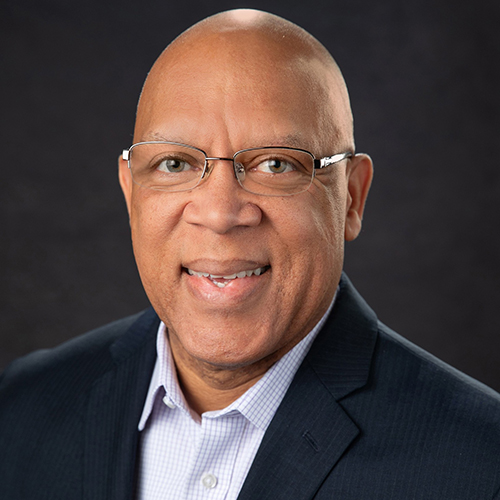
Man, it flies and we are having fun. They say time flies whether you're having fun or not, but I'm having fun and Ron's having fun. Ron Harvey is our guest today. You know the drill. When Ron is over, he comes into the studio to meet with me in person.
We do what I'm starting to. I'm coming to call 5questions with Ron Harvey. He doesn't get the script, he doesn't know what questions I'm going to ask him coming in and go back and listen to his previous appearances on the show because they're some of the best episodes out of 155.
Because we just have a conversation like we're sitting over coffee or like we're going to do in a few minutes and, and have some Mexican food for lunch. So that's the drill. He comes over, we chit chat, I try to stump him and can't and then we go eat Mexican food and we just have fun. Isn't that right, Ron?
[00:01:37] Speaker C: Yes. It's all about lunch.
[00:01:38] Speaker B: It's all, it's really all about the Mexican food.
Yeah. When I ask Ron what day he's available, he's just thinking about lunch.
No, Ron, you've been just the word I thought of this morning when I was thinking about you coming over is the word generous. And you've just been so generous with me, with the leader's perspective as an advisory board member and just a consultant and advisor to us, certainly as a friend.
But your time and delivery of great insights on this show have been really generous because again, most of our shows, as our listeners might know, are remotely done. Ron always comes over to the house and comes upstairs into the studio and does this in person and thank you. I just, it's a good time to just say you're incredibly generous. Thank you.
[00:02:31] Speaker C: I appreciate it. I enjoy it. I'm glad I'm local so I get to come and build the friendship and continue to work on our relationship. So I'm always excited about coming. The lunch is great. But you know, sitting with you is actually a lot of Fun and I grow with. When I'm in the space with you.
[00:02:44] Speaker B: Yeah, same here. And the in person conversations, you just can't. We talk about this a lot in our, in our client engagements too. There's just nothing that can replace the in person work. And yeah, so I, I do, I appreciate it.
I learn from you all the time and I just, I love the stuff we talk about. So.
[00:03:04] Speaker C: And you got a good studio. No, when I come here, my voice sounds like I'm on the radio. So I enjoy the setup that you have over here as well. So thank you so much for the invite all the time.
[00:03:12] Speaker B: You know, anybody can do it now. That's the thing. That's what I love about. We did. We launched this in 20. 2020. We launched it during COVID because what else am I going to do? And, and man, it is. This is a good time to plug the show. We're at number three right now on Feedspots top.
[00:03:30] Speaker C: Congratulations.
[00:03:31] Speaker B: They, they, I think they publish, they publish their top 20 on the page and if you, if you click go deeper, they'll give you, it'll give you the top 100.
And when we started the show, it took about a year to break into the top ten.
And today we're at number three. Now we're behind people like Joan Gary.
[00:03:51] Speaker C: Yeah.
[00:03:52] Speaker B: You know.
[00:03:52] Speaker C: Yes.
[00:03:52] Speaker B: Yeah, she's. She's at number one. Rightfully so. Joan's been around a long time in the non profit sector, which is the, the genre that these are ranked non profit leadership.
She is certainly a standard setter and deserves that spot. But we've just, you know, we've climbed. We have an episode now since we moved the show or added the show, I should say, to YouTube.
We have an episode now that has over 80,000 listens.
[00:04:23] Speaker C: Wow.
[00:04:24] Speaker B: So we're getting now somewhere between 50 and 70,000 on average. We have our first episode that broke 80,000 listeners. That was John Rosenberg and we were talking about the difference between thriving and surviving. And it's just a powerful episode and people are listening and people, a lot of people obviously that we don't know a lot. A lot of people that we do know that are just, you know, supporters of the show. So it's exciting.
[00:04:49] Speaker C: Yeah. Credit to you though. I mean you, when you're into something, Patrick, you give it your best, you know, which I appreciate is you go the extra mile, the extra distance to make it quality.
[00:04:59] Speaker B: I appreciate that.
That's, that's good and affirming and sometimes it gets me because the, the, the flip side of that gift, I'll call it a gift, is that you have to know when to withdraw from something, too.
[00:05:14] Speaker C: Yes.
[00:05:15] Speaker B: I was talking with Tim Riverlin about this the other day. And, you know, how do you know when you pick a project you really like, you really love it, you get in it, you double down on it, and just other people just aren't supporting it. It's just doesn't have wings. But you keep, you know, I want to do this.
Sometimes you got to know when to just back off and move on to something more productive.
[00:05:34] Speaker C: Like. Yeah, I think that's a, that's a good way to think about it. You know, that you do it so well. But when do you throw the towel and say, you know what? Yeah, this is not it.
[00:05:43] Speaker B: Yeah, yeah, yeah, yeah, or it's not right now.
[00:05:47] Speaker C: Absolutely.
[00:05:48] Speaker B: Yeah. There's something I should be giving my bandwidth to instead of this.
Before we get into the five questions, this is the preliminary question. I'd like to know, what are you working on right now? What's exciting you? Any particular project or work that is new, different, exciting, innovative?
[00:06:06] Speaker C: Yeah, I'm always passionate. I mean, I get to spend a lot of my time in the leadership development space. But I'll tell you what I'm always excited about is, is helping our community develop entrepreneurs, small businesses. We make about 95 of our economy in employment. So I'm always excited to help people that watch. What I do figure out, how did I get here? How do I do it consistently year after year? Because it's hard. I mean, if you're really real honest about being a small business owner, it's very difficult.
We have the same problems corporate have, but we don't have the budget. Corporate has to address some of those issues. So I'm always passionate of helping people figure out how to run a business successfully and live their real dream.
[00:06:50] Speaker B: Well, you know, you're successful in your business when you can not feel threatened to help other people in your arena be successful. That's what I mean. That's what you've certainly. What you've done with me.
[00:07:01] Speaker C: We.
[00:07:01] Speaker B: We are in slightly separate spaces, but we're also in overlapping spaces. And that doesn't. It doesn't bother you. It does. It doesn't bother me because it's, you know, as we say, there's plenty out there.
[00:07:13] Speaker C: Yes.
[00:07:15] Speaker B: To plenty out there to snack on and plenty of people that need our help.
[00:07:19] Speaker C: Absolutely.
[00:07:19] Speaker B: And you can't help them all.
[00:07:20] Speaker C: Yeah.
[00:07:21] Speaker B: And I can't help them all.
So I. Yeah, I really appreciate that. And the things that you've done with the.
Now I'm trying to think of the name of it. The one day conference that you've.
[00:07:31] Speaker C: Oh, the Unpack Leadership Conference. Yeah, yeah.
Yes.
[00:07:35] Speaker B: That's exactly what that's doing. And not only are you helping entrepreneurs, but you're giving them a platform.
[00:07:40] Speaker C: Yeah. And. And I. That, that, Patrick, you know, thanks for bringing it up. That really is about our community.
I struggle for us as a community, whether small business, corporate America, education, colleges, fraternities, sororities. I struggle when we can't just look at our community and make sure we take care of our community. So that conference is really about professional development, but keeping our community together.
You know, I'm 21 years in military service. I enjoyed the band of brotherhood and that was important to me. So, you know, I found a way to do it in our community. How do we just keep people together that do what we do or don't do what we do, like what we like or don't like what we like and get past all of that. I struggle when we start getting those things in the way of just a healthy relationship and just looking out. If you need something and I have it, just ask.
[00:08:26] Speaker B: Yeah.
Well, I know you are a John Maxwell coach.
[00:08:31] Speaker C: Yes.
[00:08:31] Speaker B: And Maxwell uses that philosophy. Marshall Goldsmith uses that philosophy. Hey, take the stuff. That's what it's here for.
[00:08:39] Speaker C: Yes.
[00:08:40] Speaker B: So I appreciate that. Are you ready? Are you ready?
[00:08:42] Speaker C: I'm ready, whatever you are. MAN.
[00:08:44] Speaker B: Five questions with Ron Harvey. Question number one. And this might have some sub questions to this.
[00:08:49] Speaker C: Okay.
[00:08:50] Speaker B: You are what I call. Because I'm one of these two. So I. Here's the title I've come to give us. Yes, we are facilitating coach Sultans.
[00:09:00] Speaker C: I'm not practice that language for a while.
[00:09:02] Speaker B: Yeah. I'm a facilitator, facilitateching Coach Sultan.
So. Because we are. We're both. We're facilitators. We're trainers and teachers.
[00:09:09] Speaker C: Yes.
[00:09:10] Speaker B: We are consultants.
We're coaches.
[00:09:13] Speaker C: Yes.
[00:09:13] Speaker B: Now, I, I lean probably more in the coach lane. You might lean more in the consulting lane. The name of your business.
[00:09:21] Speaker C: Yes.
[00:09:21] Speaker B: Consulting.
[00:09:21] Speaker C: Yes. Consultant, yes.
[00:09:23] Speaker B: But you know, we, we move in and out of those talking about coaching today.
How do you know? What are the indicators for you that a coachee is ready to be coached? What are the readiness factors for? And before you answer this, full disclosure, this isn't a trick, but there is some research behind it that I've dug into recently and we actually now have a coach readiness assessment that we do on intake to determine Some things I'll be shocked if some of the things you come up with aren't on this list.
But it also bears mentioning that what a coach experiences is as insightful, if not more so than what the literature says. Yes, but what to you are the indicators that a coach, a coachee is ready or if you want to answer it, a sign that they're not ready to be coached?
[00:10:18] Speaker C: Yeah, I'll probably take the role of ready.
And from my experiences over time, there are a lot of things that do show up. But I'll give you the top five that knock off the cuff for me is a, is a certain level of maturity.
And what I mean by that is the ability to receive feedback. You know, are they mature enough to hear what's being said, whether it's comfortable or uncomfortable? So a willingness and ability, a maturity to hear real data. And it's just a data point for them to see themselves in the mirror.
The second part is, is this thing of being vulnerable. Are they willing to be vulnerable? Because coaching can be very uncomfortable.
It's almost like being undressed and everybody knows it but you.
So if someone can be vulnerable, then I say they're, they're prepared. Then someone that's really focused on what's the bigger picture versus how do I look and what happens for me and what I get out of this and it's long term looking, if this goes well, what happens to the organization, what happens to what we're really trying to get done.
The last one I'll probably say is a person that has the mindset which is in our company is, is that people always matter. So I'm learning to be better because I care about the people that I lead.
So coaching is not about what I get and the benefit of it. It's really about I want to be more effective. Me and you were talking before we came on is right versus effective. I think a person that's prepared and ready to be coach understands that the people that they're responsible for and responsible to, they must get better to do a better job for those people.
[00:11:53] Speaker B: Man.
Okay, Like I said, no surprises here.
It's like you read my notes.
So can I share with you so seven, seven dimensions.
And let me set this up a little bit as to why this is even a topic for me.
The coaching industry is not regulated.
[00:12:15] Speaker C: Yes.
[00:12:16] Speaker B: But it is becoming more and more professionalized.
[00:12:19] Speaker C: Absolutely.
[00:12:19] Speaker B: Through, you know, the icf, which I know you're ICF certified, the center for Credentialing and Education, where I'm certified, there are now bodies of work, core competencies, ethical codes, standards of testing and things like that. And one of the, one of the things still developing in the industry is the research around the effectiveness of coaching.
[00:12:46] Speaker C: Yes.
[00:12:47] Speaker B: You know, there you can do. I mean, I could take my own evaluations and say coaching is effective, but in with as far as empiric empirical research, it's still a pretty young field and body of work in research.
One of the things they have determined, though, as a, as a predictor of coaching success is coach readiness.
[00:13:11] Speaker C: Yes.
[00:13:13] Speaker B: And as soon as I read that, I thought, well, yeah, that is. I mean, Dr. Jim Smith taught us this ad nauseum. If they're not coachable, you not. I don't care how good of a coach you are, they have to be. You have to be in a coach mindset. They have to be in a mindset to be able to receive it. So. But the research does talk about coach readiness as a predictor. And then it says these seven things. One, a commitment to change.
[00:13:37] Speaker C: Yes.
[00:13:38] Speaker B: I mean, if I just want to just keep doing what I'm doing, and I don't, I'm not trying to improve or get better.
And you've had these. I've had them. I literally people who have, who have said, what do you want to work on? I don't know.
[00:13:48] Speaker C: Yes.
[00:13:49] Speaker B: I mean, everything's going fine.
[00:13:50] Speaker C: Yes.
[00:13:51] Speaker B: No issues to work on. Not really. No. There's. I mean, everything's cool, man.
[00:13:55] Speaker C: Everybody here, everybody sees it but you.
[00:13:58] Speaker B: Yeah.
So. So a commitment to change. The second is you said it. Openness to feedback.
And you use the word mirror. And I really like that. I was telling you before this, I was telling Ron before the show of what, what assessments can serve as assessments. For example, that's feedback. Psychometric. Certainly the 360 assessments we do is feedback. So it's not just being open, feedback, open to feedback from the coach, but open to feedback from your manager, your direct reports, your peers.
And you have to look at that as this is a mirror. Because this is what other people see.
[00:14:37] Speaker C: Yes.
[00:14:37] Speaker B: And I can deny it, but this is what they're telling me they see.
[00:14:42] Speaker C: It's still the observation. It's.
[00:14:43] Speaker B: It's perspective, it's observation, it's optics. Call it what you want. Perception is reality when you're a leader. Because this is about influencing people.
[00:14:51] Speaker C: Yes.
[00:14:52] Speaker B: So, yeah, openness to feedback, self awareness is one which really falls into the emotional intelligence piece and like you said, the maturity piece.
This is a really good one. A sense of agency. And you can talk A little bit about this one. If you can think of anyone that you're coaching that doesn't feel they have control.
So, for example, you're coaching someone who doesn't understand the influence they actually do have. Everything is everybody else's issue and fault. Well, I don't have this, and my manager does this, and my direct reports are the wrong people. And we don't have the budget. And it's all the circumstances that say I have no agency here. I have no autonomy, I have no control, I have no influence.
And that's someone who may not benefit greatly from coaching if they can't get over that.
[00:15:44] Speaker C: Yeah, I mean, and I've had. I've had those people that, that they felt like they. They were backed into a corner and they had no control and they just wanted them to go through the coaching, which goes back to the agency piece of it. You're not ready for coaching if it's everybody else's fault.
You got to take ownership of. Of what this is about, what the organization needs from you and what's your role. Because it's like Michael Jordan, if you will.
As good as he was, he got cut.
He didn't make it. You know, when he was at North Carolina, where he thought he would, but. But, but the minute he brought someone for him to see it and accept it and take ownership of his career and his destination, he became phenomenal. Everybody knows him now, but they didn't know him before that, you know. So when you think you don't have agency. I don't know if I would invest in coaching or tell a, you know, a sponsor to invest in coaching for someone that feels like it's going to be what it is, nothing's going to change. I have no control of it. You know, woe is me. I'm the victim in this. In this. In this process versus here's an opportunity for me to become effective in this process. So you got to take ownership of some of this because you got to stay in the driver's seat. Coaching is not about. I'll use this analogy.
Anybody that's coaching can't be coach and player.
So if I'm your coach, you got to be the player. You got to dribble the ball, you got to take the shot, you got to throw the pass. So if you're going to be coached, you. The only one that can go on the field and play is the coach, is the person that's being coached.
As a coach, I'm not allowed. It's actually a penalty that Do a flag if it. Or you get a technical foul or booted out the game if the coach goes on the field. Yeah, I'm not allowed. So you gotta have agency.
[00:17:23] Speaker B: That's really good. I'm gonna come back to that one in question number four.
There's a challenge to that one. There's a nuance to that one. I totally agree.
I heard something the other day. You were talking about blaming others for all the problems. Heard something the other day. Said if you. If you meet three assholes by lunch, you're the asshole.
[00:17:46] Speaker C: Yeah. All of a sudden they following you everywhere. You may want to take a closer look, like, why does it always find you?
[00:17:50] Speaker B: We used to call that the Bob principle. If Bob has a problem with everyone, Bob's the problem.
[00:17:55] Speaker C: Yes.
[00:17:56] Speaker B: Sorry for all the Bob's out there figure speech.
[00:17:59] Speaker A: Yeah.
[00:18:00] Speaker B: You know, most of my coaches score pretty high on the emotional intelligence assessment too. But you can always see it when they don't. You can see it in the coaching engagement.
[00:18:11] Speaker C: Yes.
[00:18:11] Speaker B: When their scores aren't as high. Here's my second question for you.
Still on the coaching lane.
If you're an organizational leader, you're not a professional coach. You're a manager, you're a leader, you're a CEO, you're a vp, whatever it is, what for you are some of the tenets of coaching from that seat
[00:18:36] Speaker C: for me.
And I'll use my days of serving in uniform and we're told to do coaching. They call it counseling coaching, basically. I think some of the tenants when I sat in that role for me to be effective was patience.
And I had to meet people where they were, which took a lot of patience.
Oftentimes when I got into that role, I didn't know how to be patient.
Listen to the entire story because somewhere in the middle of that, Patrick, I would disengage because I already had the answer. I would listen to 10% of what they said and I got 90% of the solution. So being patient, listening to the whole story, not having any foregone conclusions, and giving people the ability to think for themselves versus telling them what to do. And in uniform, that was hard for me because I could tell them what to do and they had no choice but to do it or there are consequences for it. But I wasn't supposed to be in that role. I was supposed to be in a coaching role. So I had to learn to step back. And even as a coach, you really can't tell a player what to do. Coaches don't tell.
And that's Instrumental for us. Because if you're telling them what to do, you're no longer in the coaching seat. You put on a mentor role or you're taking a different role. Coaches honestly observe, give feedback, come up with some solutions with the person involved and engaged. But the player has to go back and play and you don't get to tell them how to play it. Because if you're so familiar with it, sometimes it's dangerous to coach someone that you've done everything they've done because it's easy to fall in the trap of giving them answers.
So the tenet is, for me was being patient, listening to the whole story, allowing them to come up with their own conclusions, not having all the answers and allow them to make mistakes.
[00:20:23] Speaker B: That's the hard part.
[00:20:24] Speaker C: Yes. Very difficult.
[00:20:27] Speaker B: And. And question two also relates to question four, which we'll get to in a minute. And yeah, I think your patience, which God only knows how. I'm a coach.
I was.
I tell people. This is literally was on my performance appraisal when I was in organizational leadership. I had a board chair say that my greatest strength, my greatest strength was my impatience because I got things done. And when he got to the weakness section, he said, impatience.
[00:20:59] Speaker C: Yes.
[00:21:00] Speaker B: Because he can be pushy.
[00:21:01] Speaker C: Yes.
[00:21:02] Speaker B: But, yeah, that's one of the things I've had to. Most coaches have to train themselves on the patience, the listening and the advice giving.
[00:21:09] Speaker C: Yes.
[00:21:10] Speaker B: Or the, the limiting of the advice giving. And those are. Those are tough. I'll give you a good patience one. And you talk about letting people finish.
One of our coaching. One of our 10 coaching rules is silence is golden.
[00:21:23] Speaker C: Yes.
[00:21:24] Speaker B: So when we ask the question.
Shut up.
You asked it. Don't. Don't now step in and save them.
[00:21:32] Speaker C: Yes.
[00:21:33] Speaker B: And ask the question a different way because they haven't come up. They haven't jumped at an answer. And I tell people, you know, if they didn't understand the question, let them tell you that. Don't assume they didn't and ask it a better way.
Don't give them examples of answers they might be coming up with since they're not coming up with any fast enough. Just ask the question, shut up and let the silence sit there and don't blink.
Let. Let the coachee be the one that blinks. And it is one of the most difficult things. When we do our coach training online, part of, part of what we do is a role play.
[00:22:08] Speaker C: Yes.
[00:22:08] Speaker B: And so I will.
Every student in my course gets two coaching sessions from me and then I get one from Them. And they get to coach me.
And what I like to do is let them ask me a question and just sit there and don't say a word.
[00:22:28] Speaker C: Silence.
[00:22:29] Speaker B: And just see who breaks the silence.
[00:22:31] Speaker C: Yes.
[00:22:32] Speaker B: And it's so much fun, actually, because they'll always break the silence.
[00:22:36] Speaker C: They can just.
[00:22:36] Speaker B: I gotta. I can't. This. This isn't right. This is like dead air on the radio. It's a cardinal sin.
[00:22:42] Speaker C: Yes, it's golden, but it's painful.
[00:22:45] Speaker B: It's painful. But what I. Again, what I learned from Dr. Smith was if you ask that question in their silence, it means you've asked a good question.
That they don't just have a pat answer. Their wheels are spinning at that point. And that's what you want. You want the work to be done.
[00:23:03] Speaker C: Yeah. And we're having fun with it. And I know some of y' all out there, like, there's absolutely no way I can sit there. I mean, but. Because we feel like we got to rescue people. Yeah, but what if they're processing. Yeah.
And if they don't have an answer, is that a bad thing?
Like, who said not having an answer is a bad thing? That's the growth opportunity.
[00:23:23] Speaker B: That's right.
[00:23:24] Speaker C: If I have all the answers, do I. Do I really need a coach?
[00:23:27] Speaker B: Right.
Yeah. But are we willing to sit with the question a little longer?
[00:23:31] Speaker C: Yeah.
[00:23:31] Speaker B: Yeah. Question three.
This is shifting gears a bit, but many of the people that I have coached over the last 10, 15 years are organizational leaders who are nearing the end of their career, or they're in the middle of their career and in their current role. And they're. They've hit a point, they've hit a.
Not a dead end, but they've hit a ceiling or a cap that they don't know if they can break through. Or sometimes they don't even know they've hit the ceiling. They're feeling some kind of way, but they can't put their finger on it. The question is, when you're coaching a leader in. In leading the organization.
[00:24:19] Speaker C: Yes.
[00:24:22] Speaker B: There are times when you've got to focus more on the person than the organization. In fact, you should always coach the person, not the problem.
But coach the person for us, is in the context of being the organizational leader.
What about the person themselves here? All that is a setup to this question.
How do you help leaders navigate their own career trajectories where you're. Where you're not. You don't feel like you're betraying the sponsor.
[00:24:52] Speaker C: Yes.
[00:24:53] Speaker B: By having a wider conversation about hey, do you still belong? Is this still a fit for you? Is there something more? Is that.
Have you lost your vision? Is there a new. How do you help people navigate that? I'm not even sure where I am in my job, let alone leading my team right now.
[00:25:10] Speaker C: Yeah. Such a healthy question that people don't want to ask, quite honestly.
But coaching is about the individual.
[00:25:18] Speaker B: Yeah.
[00:25:18] Speaker C: And, and for all you that are sponsoring or if you're. You're the person that's being coached and you're making this investment, sometimes you coach them so well that they end up somewhere else because they found themselves, you know, and you got to be willing to accept the fact that when you're coaching, you're really coaching the individual to be effective.
And it's. And it starts with them. You know, it's hard to be an effective leader if you. If you don't lead yourself first. So when you're coaching them, you're coaching them around who they are, how they show up, what's. What's. What's effective for them, what's ineffective. But it starts with, I'll use me as a husband. I. I have to be a, A. A good man before I can literally be. Be good to. To my spouse or to my kids. I got to start with me. So, you know, am I professionally developing? Am I patient? Am I kind? Am I willing to. To look in the mirror? I have to get better as a human being.
And then I'll get all the other good titles. I'll become a good father and a good husband and, you know, all those other things. But I got me being a good human being. So remember that this is about a human being and a leadership role, and it starts with the human being. So I'll pull them away from the organization. I'll pull them away from the tasks. I'll pull them from. Away from their skill sets and the gifts and say, let's just think about who you are as a human being, and let's coach around that, because if I can get you to be that, the rest of it will fall in place.
[00:26:38] Speaker B: Yeah. Including perhaps a revival of energy and vision in your current role.
[00:26:43] Speaker C: Yes, that's the question, Patrick. You know, I'll have people do this exercise. If you've ever been into any of my keynotes and you've been in the room with me, I always have people introduce themselves, and I give them 60 seconds, and they must use the entire 60 seconds. I said, introduce yourself to this new person that doesn't really know you. You can't Talk about your job. You can't talk about your career, you can't talk about your education, you can't talk about your family or your pets.
And you must talk about you for 60 seconds. People struggle.
[00:27:07] Speaker B: Oh, yeah.
[00:27:09] Speaker C: Because they've become all these things that they do and they've lost themselves. It's hard to be effective as a leader when you've lost yourself.
[00:27:18] Speaker B: I have years ago when I was sitting on interview, community interview panels and things like this, and I was always known as a tough interviewer because I would ask questions like this.
I would say, Ron, tell, tell us. Welcome. Thanks for coming. Tell us about yourself.
Okay. And Ron would say, well, you know, I'm, I'm. I got my degree from such and such and I'm working so and so. And I spent 10 years doing this and then I spent another five doing this and I did blah, blah, and then this, that and the other.
[00:27:49] Speaker C: Yes.
[00:27:50] Speaker B: It's great.
Do me a favor and tell us about yourself.
I'll literally say it just like that.
[00:27:57] Speaker C: You could just look like they probably sent some bad words about you in the head.
[00:28:01] Speaker B: Yeah. I'm like, you know, now that, now that you've read your resume to you, which I read before you walked in the door, tell me about yourself.
And it is a hard question. It is for people to grasp. I love it.
[00:28:14] Speaker C: Yeah. I think it allows us, you know, I say this in real time. It's hard to lead people when you lose you.
[00:28:21] Speaker B: Yeah.
[00:28:23] Speaker C: And that's important. You know, when I walk into an organization, the accolades are nice, but I really want people to, to understand who Ron really is, what really matters to me, what do I really value, what's important, all the other stuff I get to do.
But the people that are really close to me can tell you the things that really bring a smile to my face and makes me feel like I've accomplished something.
[00:28:43] Speaker B: And you said it. If I'm not paying attention to that, not only am I not being a good self steward. Yes. I'm not being a good steward of the organization.
[00:28:52] Speaker C: Absolutely.
[00:28:53] Speaker B: Because if I have lost that edge, that vision, that fulfillment, that energy, and I haven't come to grips with addressing why and how to get it back and how to deal with it, the organization's suffering.
[00:29:07] Speaker C: Yeah. I think people going through the motion, then when you find yourself just going through the motion.
[00:29:10] Speaker B: Yeah.
[00:29:11] Speaker C: At some point you're no longer happy driving to the organization.
[00:29:13] Speaker B: That's right. That's right.
That's right. Well, that, that could be a whole nother episode. All by itself.
Here's question four. When you coach or train the middle.
[00:29:25] Speaker C: Yes.
[00:29:26] Speaker B: Middle managers. What are some of the biggest challenges you see for. For middle managers? What's the hardest thing about being a middle manager?
[00:29:35] Speaker C: For the middle managers? Not having a voice. They feel like they're stuck right in the middle. Like, you know, it's almost like, I'll use generation. You know, for me, you know, we call it the sandwich generation, where we're dealing with our kids and we're dealing with our parents that are aging at the same time, and we're stuck in that middle. And the hardest part is finding your place, appreciating it.
You're not the executive. You don't make the final decision, but you forget the importance of the role that you play as a middle manager. That's where most stuff gets done, but it's the least appreciated spot in the organization. And I think middle managers struggle with that because they're important, but they're not important, or they're getting it done, but nobody recognizes it, so they're taking it from. You know, it's like burning the candle in the middle. And people struggle with that. So people want to feel valued, seen, respected.
Middle managers is where most stuff gets done, but it's the least appreciated role.
[00:30:28] Speaker B: It's definitely where employee engagement happens or doesn't happen.
[00:30:31] Speaker C: Yes. Everything in your organization is, you know, when we're doing the work in our organizations or working with our clients, I tell them is the most difficult spot, but the most vital part of it.
[00:30:41] Speaker B: Absolutely, it is difficult.
Here's a coaching question I ask managers often.
I'll ask them who their primary, their. Their top two stakeholder groups are. Now I say my boss and my direct reports, like the team I lead and the team that leads me.
[00:30:57] Speaker C: Yes.
[00:30:57] Speaker B: All right. And then I ask which one. Which one of those stakeholder groups is more important?
[00:31:03] Speaker C: Yeah, I think that's a phenomenal question. You know, which one is more important? I will. Here. It's just gonna sound like a lawyer. And I. And I try not to. It depends.
And I'll say it depends on who's in front of me at that moment, what I need to do at that moment. Because if it's a stakeholder and I'm. And I'm present with them, it becomes a stakeholder. Now, I'm not going to give them an answer to make them happy, but I'm going to be present. And if it's my child at that moment, it's my child. So I'm going to be present with Whoever I am. So for me, it really depends on what's happening at that moment, that I think all of them are equally important, depending on what's happening at that moment.
[00:31:37] Speaker B: I love that answer, and I think it's right. And I think another way you can answer it is to say both, because they are.
It's a little bit of a. It's kind of a trick question because the idea is to get them to realize, you know, I see middle managers who are doing their best, effort to please both groups, but they're doing it ineffectively.
[00:31:58] Speaker C: Absolutely.
[00:31:59] Speaker B: Because they're playing one against the other. They feel like, you know, I got to go to my. My, My leaders and tell them how frustrating it is. I'm trying to get them to do what you want. I'm with you. But, boy, they're just this, they're that and the other, and they're complaining.
But then I go back to my team and I say, yeah, I know those SOBs in the head office. I'm with you. I tried to tell them this wasn't reasonable, but this is what we got to do. And so they. They play end up.
It's not always that egregious or obvious, but they find themselves playing one group against the other rather than being the connector.
[00:32:36] Speaker C: Yes.
[00:32:37] Speaker B: Of the two.
[00:32:38] Speaker C: And that's a dangerous place, too, Patrick. And you're saying it more. More often than not, where people are trying to. To win on both sides.
I will say for. For me personally, you know, I want to be consistent on who I am, dependable in my conversations. And. And that's probably where I do the phrase people always matter. So when I'm. When I'm making that phrase, it's not just a slogan for us. It's like, hey, I hear what you do as. As my CEO and what's important and relevant. I also want you to hear the other soundtrack of what's important to the people. That's. That's client facing. That's getting things done. So here's what I've learned over time.
It can be two right answers to the same problem.
[00:33:13] Speaker B: At least two.
[00:33:14] Speaker C: Yeah, at least two. I didn't think that way before. I thought it had to be either or. And I. And I've matured enough now that I know sometimes you can have two right answers to the same thing, and they're both right.
And I think I don't want to put them against each other, but I can literally understand it now. As a parent, I can understand it because sometimes my kids, I'll use. I'LL use our daughter who's, who's 19, who will be 19 this year. And she's home for the summer and she's having this conversation and her mom said, hey, you know, Maya wants to talk to you about this curfew things. You know, she's, she's turning 19. Blah, blah, blah, blah, blah.
That's interesting. I said, I'll tell you what, let's tell her. Let's. Let me take away the word curfew.
I say, that's fair. Let me take away the word curfew. I say, but baby, here's what I want you to get.
I actually understand what you're, what you're talking about. I said, because when I was your age, I wasn't at home.
I can come when I want, go when I want, do what I want. I was in the military. I said, here's what, what I want you to walk away with as a mature response to your conversation with your dad.
There's a respectable time to come in the house regardless of how old you are.
Just reality. So I want you to think of that. I say, but if you're going to be later, let's not call it curfew. Just say, hey, I'm going to be late. Make a phone call. This is what's happening. I say, but that can't be the standard time every day.
Let's take away curfew. Let's talk about respect and what's respectable. She said that, that makes sense. I say, so let's not use curfew. I don't think I need to use that with you at 19.
[00:34:42] Speaker B: Brilliant.
It's brilliant. I wish I'd gotten parental advice from
[00:34:46] Speaker C: you when I was.
But I didn't change the policy of what respectful time was. I said, I don't think this needs a policy change, baby. I said, I think it needs a conversation of what's respectable because I don't want you coming in the house two o' clock every, every day. Now can you come in at 2:00am and sometimes? Absolutely. I did it. So let's be respectful and responsible, but let's take curfew out.
[00:35:07] Speaker B: It's good. Yeah, it's good. Here's another challenge with the middle managers and this. I told you we were going to come back to this when you were talking about being a coach and that the coach can't play.
[00:35:16] Speaker C: Yes.
[00:35:18] Speaker B: In the work world that I coach in and that you coach in, the coach has to play.
In the world I'm in, there are middle managers who I, I'M finding and training have to do three things.
[00:35:34] Speaker C: Yes.
[00:35:34] Speaker B: They have three jobs.
They have to manage the things.
The schedules, the projects, the initiative, the protocols, the policies, the. The KPIs. They got to manage the things. As, as Rear Admiral Grace Hopper once said, you manage things, you lead people.
That's the second thing they have to do. They have to lead people. Managers, effective managers are also effective leaders.
The really good ones.
[00:36:00] Speaker C: Yes.
[00:36:00] Speaker B: Right.
So they have to lead, which now we're into coaching and engaging and, you know, nudging and developing people and influencing people and pulling out their motivations to do their best and accountability and all the, all the wonderful leadership things.
In my world, because of capacity limitations, they also have their own portfolio of work.
And so these middle managers are finding themselves saying, oh, Patrick, it's great that you want to talk about how leaders and managers should delegate.
You need to live in my world for a minute. I can't delegate all my work. I've got a client list, I have an account list, I have a program I run. We don't have enough people. So I have to double as manager plus one of the team.
[00:36:45] Speaker C: Yes.
[00:36:46] Speaker B: So they got to manage, lead and perform.
There's a, there's a place for all of those.
We could, we could make philosophical arguments about do they really have to perform?
In many cases, they literally do.
[00:37:00] Speaker C: Yes.
[00:37:01] Speaker B: So.
So how do you help them balance three different jobs in their role? That's one of the things that I think frustrates the middle manager.
[00:37:13] Speaker C: Yeah, I always use practical, real things that I've gone through versus is this academic response theory.
[00:37:20] Speaker B: Don't give me theory.
[00:37:21] Speaker C: I don't do theory.
I'll walk you back to when I was in the army and I was in recruiting command and I was what they called a station commander. They may have changed the title, but I was a station commander. It was me and one other guy in the office.
I was responsible for the same task that he was, which was to recruit, to go out to schools, to visit, to be a community laser. We were the face of the army in that community, just two of us. And he had a quota and I had a quota. I was his boss. I was responsible for all the hierarchy and reporting to higher headquarters what was happening, what wasn't happening. So all that was true for me, but also had my own quota that the same individual, usually the same quota as what he had 90% of the time in that role.
But what I had to do effectively, when I first took over that role for that individual, what he needed was A coach more than anything else than a boss because he was fellow miserably before I got there. I mean, the office wasn't successful. They were failing miserably. And they said, hey, we're picking you. You're doing really, really well. And that's usually what we do. We'll take someone that's doing well and put them in a leadership role. Fortunately, I had been trained in leadership well enough that I can separate the two. So I came in and said, hey, we're going to be successful in the first month. He looks at me like, you lost your mind. We've been successful in six months.
I'm. I'm just happy to survive here. Say no. I say, it's. It's. It's doable. It's hard, but it's doable. And I begin to coach him on his mindset and his ability and his confidence. And I didn't teach him anything about recruiting.
So I will tell you what I did do in real time, Patrick, is when I had to do the work that he had to do, I would jump on the phone and let him see me do it, which is he saw me in the game. I would take him on an interview and let him see how I did my interviews. When I was challenged and it didn't go well, I let him see that. And when I messed it up, I'll let him see that. And I'll let him see how I stayed cool, calm, and collective and walked through it. I let him see when I had to go with my boss and I disagreed, I let him watch that conversation so he can see how I handled and navigated conflict with my supervisor. And when we failed, I say, what do we get from it? So I let him see all the things that he needed. So I was in a culture's role by observation.
So I let him observe everything in as I was playing the game, But I never did it publicly for him. And so I will tell you what I did do for him publicly is allowed him to do what he felt was necessary and responsible, but I never let him get destroyed publicly. So anytime that it showed up where something was about to go wrong, I did that in practice.
So I would be player in practice, but never in the game.
[00:39:51] Speaker B: So if I'm coaching a middle manager who's frustrated at the fact that they have a portfolio of work that they have to do, in addition to what I just heard you say is help them reframe that to, you're not just performing tasks yourself.
[00:40:10] Speaker C: Yes.
[00:40:11] Speaker B: You're modeling and teaching yes. So do the work, but use it as a model, an example, and a teaching tool.
[00:40:20] Speaker C: Yes. Because you gotta, you know, in my coaching role at the time, Marlon was coaching for me because he needed to see what winning looks like and feels like and how it's done with confidence. And when I got, you know, when it didn't go well, he needed to see how I recover.
And he had never been exposed to that. He just, you know, it didn't go well, and he just began to accept that it wasn't going to go well and it wasn't successful space where they were, and it was a felon office. He had to see me come in. I could say, oh, we're going to do this. And he never saw it. He wouldn't believe me. He was like, oh, this guy's hallucinating.
We haven't been successful in, you know, six to eight months here. This is not a place you can be successful. And I'll tell you, Patrick, you know, the fact that. And that guy still to this day knows this, you gave me something that nobody else gave me. You didn't come in and tell me how you. How to do it. You didn't come in and write this nice mission statement and vision and values. You say it's possible.
Let me. Let me help you understand what it requires for us to do it. But not only tell you, let me let you see me do it.
[00:41:18] Speaker B: Show you.
[00:41:18] Speaker C: So for the first 90 days, and it was risky because there was still an expectation that we perform. My job was on the line.
[00:41:25] Speaker B: Right.
[00:41:26] Speaker C: So when the pressure was there, it's actually when he learned the most. He said the one thing I've always appreciated about you, no matter what was going on, you saw me, you gave me real answers.
You showed me how to do it. You let me try it and fail, and you come back and say, yeah, I don't consider it failure. I consider it learning. What'd you learn?
Let's not do that again. What else would you do differently? So I think you got to do both. And you're a leader. If you listen to this and you're in that role, understand that sometimes you got to go and. But never ever in the game, take the ball from them, no matter how bad he was messing it up, unless there was a. Something that was going to put us in danger, I let him mess it up. And I didn't destroy him. I didn't snatch the steering wheel. I stayed in the passenger seat and let him figure it out.
[00:42:10] Speaker B: There's a general rule in baseball when there's a pop up on the infield, even if it's in the middle of the field, like right over the pitcher's mound, the pitcher is not ever the one to catch that pop.
[00:42:25] Speaker C: Yeah.
[00:42:26] Speaker B: Pitcher runs out of the way, lets the infield do it.
[00:42:29] Speaker C: Yeah.
[00:42:29] Speaker B: Why?
Because the pitcher, at least in Major League baseball or professional baseball, is only on the field about once. Every other. Every fifth game.
[00:42:44] Speaker C: Yep.
[00:42:45] Speaker B: They're not. They are. They spend all of their time learning how to pitch nasty stuff over the plate and get people to miss.
[00:42:54] Speaker C: Yes.
[00:42:55] Speaker B: They do not spend their time fielding ground balls or pop flies.
So they get out of the way. And it's, it's really interesting because I saw a rookie pitcher the other day almost botch a game because he was just like getting under the. And the shortstop and the first baseman were saying, get out of the way. Move.
So there are, there are times when the pitcher who is arguably the, the point person of the, of the defense is not the right person.
[00:43:24] Speaker C: Yes.
[00:43:25] Speaker B: To field the ball.
[00:43:27] Speaker C: Yeah. And I think that's, I mean, I think you asked a very valid question. I think leaders are asking themselves that when, when all the pressure is on, your reputation is on the line, your job is on the line, your evaluation is on the line. We tend to want to jump in because we want to protect our career.
Sometimes the best protection for your career is getting out of the way.
[00:43:46] Speaker B: Yeah. That's a hard one. That's a hard one to learn.
It is for all of us.
[00:43:51] Speaker C: Yeah.
[00:43:51] Speaker B: Yeah.
[00:43:52] Speaker C: You think about it, though, if they never learned it, I'll use, I use my. I use me as a father.
The greatest thing, the thing that I'll probably lose the most sleep over as a father is my kids can't survive without me.
And the only way they're going to learn to do it is I let them practice while I'm alive.
I just got to let them do it. Get behind the wheel, you're going to run off the road, you're going to hit a curve, you're going to mess up a rim, you're going to have a car accident, you're going to get a ticket. But I can't help you learn how to deal with that if I never allow you to try it.
[00:44:27] Speaker B: Yeah.
[00:44:28] Speaker C: So I'm okay with getting out of the way.
[00:44:29] Speaker B: Yeah. As long as they're back by 2am yes.
[00:44:35] Speaker C: Yeah. 2am 2am yes.
[00:44:37] Speaker B: Last question, Ron. And this is one I wanted to ask you when Monroe Free asked me this question. So we're on the golf course. Monroe And I went to a conference at Kiawah.
Kiawah island in South Carolina a couple months ago, and Monroe asked me, and I won't. I won't go back and listen. A few weeks ago, we had Monroe on the show and we talked about this.
So I won't give you the context, but the question was, Patrick, what is it people do to. To earn your trust?
That was a great question. And we can. We can quote the books and things about trust, but if you think about your practical life, what is it people do the most that leads you to trust them?
[00:45:25] Speaker C: Yeah, I mean, which is huge for me. I mean, we've built a relationship over time, and I think it's a fair question for our relationship consistency that they show up, they don't have to be right. They don't have to be perfect. They have to be the smartest, they'll have to be the fastest, but they got to show up.
If they tell me you're going to be there, be there. Yeah, that. That will probably be the one thing that will break it for me real fast is saying, don't show up.
From then, from there, be honest.
If you got it right, great. If you didn't get it right, great. But own it.
Because if you own and say, hey, I kind of screwed this up, I can feel like we can start together and do it together. But if you. If you're not honest and you don't tell me you screwed up and you got me, you know, chasing some squirrels that don't exist because you just weren't honest, I'm a struggle with you from that point forward, and I'm forgiving, but I'm a struggle in that moment.
So, you know, if you ask me what, just be honest, I can handle bad news. I'm okay with it. And it doesn't always have to be right. And you can tell me you made a mistake. I'm okay with that. But. But give me the chance to feel like you can be honest with me and we can figure it out together.
The other thing is be dependable. Be really, really good at what you say you. You're good at. And do it to the best of your ability. You know, if you want to say what earns, you know, for me, what makes me trust people, be very dependable. Be honest. Be consistent. And I think the last thing is giving your best.
And if you're giving your best, and I don't mean the. You gotta be the best, but I want your best.
[00:47:01] Speaker B: Be your best.
[00:47:01] Speaker C: Be your best. And I think people get that confused for me is just be your best. And if you're giving your best, it's not about what I can pay you. It's not about what I can reward you with. It's not about how many times I can like you on social media or how much I can promote you. Just give me your best because that's
[00:47:18] Speaker B: what you owe me, man. That's good.
That is really good.
The dependability, the reliability to do what you say, you know, be there, be. Be someone I can count on. Yeah, I can always. I can count on. And they'll. They'll be here. Said they would. They're going to be here, or they're. They'll do it, or they'll deliver or. Or. Or whatever.
[00:47:38] Speaker C: And I'll say this, Patrick, for people that are really listening, you know, because trust is. Is hard right now.
[00:47:44] Speaker B: Yeah.
[00:47:45] Speaker C: I'd rather have someone that is not as gifted or talented, but I can trust them.
[00:47:54] Speaker B: Yeah.
[00:47:55] Speaker C: That they're dependable, they're consistent. Because there are a lot of gifted, talented people that don't follow through.
[00:48:00] Speaker B: That's right.
[00:48:01] Speaker C: I. I will struggle in that space. And if you're gifted in talent and you're holding back, I'm gonna struggle at trusting you.
[00:48:07] Speaker B: I love it. The other thing, when you say I'll. I'll add one little thing to. To the. Be honest.
As you were saying it, it dawned on me that I want someone who will not only be honest with me about them, but will be honest with me about me.
[00:48:28] Speaker C: Yeah.
[00:48:30] Speaker B: I. I trust someone who can tell me, hey, Patrick, you know, you.
You know, have you thought about this? Right? Or, you know, you might want to look at these optics here. You might want to look at how this might come off. You know, you might.
And that.
That is someone who is extending trust to me because they believe I can handle it.
[00:48:51] Speaker C: Yeah, I was, you know, when I. Before we started the interview, I was taking a call and know when I pulled up and this conversation was exactly the conversation they were asking me. I said, hey, man. I say, for me, honesty is kind.
Yeah.
[00:49:07] Speaker B: Yeah.
[00:49:07] Speaker C: I say, because if you're honest with me, you're being kind to me.
Because a person that will see something and not say something, I don't consider that kind. Yeah, I'm okay with you being honest. And I think people try to protect feelings they don't have to protect.
[00:49:22] Speaker B: That's right.
[00:49:23] Speaker C: I don't need you to protect those feelings or my emotions or what I may go through. I may need to feel that way so I can recover.
[00:49:28] Speaker B: But you're right, it.
[00:49:29] Speaker C: We're.
[00:49:29] Speaker B: We're in a time right now where that is hard because not everybody thinks like that.
[00:49:34] Speaker C: Absolutely. Most people don't think like that, Patrick. Most people. I mean, but to be honest, it's kind. So if you don't think like that, then. Are you saying to lie to me is kindness?
[00:49:44] Speaker B: Yeah.
[00:49:44] Speaker C: Or.
[00:49:45] Speaker B: Yeah, exactly. And they wouldn't say lie. They would say just not say.
[00:49:52] Speaker C: I'm just not going to tell you.
[00:49:53] Speaker B: I'm just not going to tell you. I'm not going to lie. I'm not going to tell like a. Like a lie. Lie.
[00:49:58] Speaker A: Yes.
[00:49:58] Speaker C: It's like going to see your doctor and they won't tell you that you're dealing with something that. That's catastrophic.
[00:50:03] Speaker B: Still deceit. Because you're. The idea is you want them to believe a certain thing. Yes, I want them to believe everything's okay when it isn't it.
[00:50:12] Speaker C: Yes.
[00:50:12] Speaker B: And. And we need to. We need to trust that.
So, anyway, a beef tip chimichanga is calling my name.
Ron, this is outstanding. I always love it. We'll do it again as soon as we can.
And any. Anything else for the good of the order? Any final thoughts on the day?
[00:50:31] Speaker C: Take care of your people. People always matter.
[00:50:34] Speaker B: People always matter. People always matter. That's the theme. All right, folks, you got it.
Lead on.