Episode Transcript
[00:00:06] Speaker A: Welcome to the Leadership window podcast with Dr. Patrick Jenks. Each week through a social sector lens, Patrick interviews leaders and experts and puts us in touch with trends and tips for leading effectively. Patrick is a board certified executive coach, a member of the Forbes Coaches Council, a best selling author, award winning photographer and a professional speaker.
And now, here's Dr. Patrick Jenks.
[00:00:31] Speaker B: It's episode, episode 148 of the Leadership Window. Glad you are along.
If you've been following us, I don't know, the last couple months or if you're a regular listener, hopefully you can tell that my voice is almost all the way back.
And for those of you that don't know, I had open heart double bypass surgery just over three months ago. And part of what I dealt with there was that I had a, the vocal nerve was damaged in my chest and that paralyzed the left side of my vocal cord. And for about a month I couldn't speak at all. I had no voice. Now I can, but I, what I still can't do is I can't sing yet and I love to get in my music room and pick up a guitar and just play and sing some songs. That's getting there too though. So lots of progress. I feel good, I feel blessed. 2026 is off to a fantastic start and we have a fantastic guest on the show today and one that I know is going to be of great interest to many of our listeners in the world we're in, particularly those of you that are leading in the non profit sector, which is not all of our listeners, but probably a majority of them.
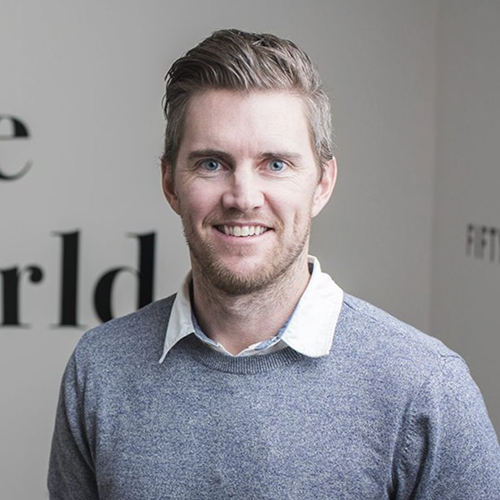
Javan Van Groningen is our guest today, all the way from San Diego.
And Javin is the founder of a software platform you may have heard of called Donately.
And it's a donation solution that has really raised a ton of money, close to $200 million in donations across the sector that he's worked with. He's worked with a lot of local organizations, but he's also worked with the big prominent box brands of nonprofits like the Red Cross and United Way. And part of this is not only helping ra his money, but also helping to reduce costs.
And part of his mission was about, you know, he saw these concealed costs and these complex fee structures that some of the traditionally used software platforms for nonprofits just too much for them too. Overkill, complex, hard to, hard to implement. And so Donately is the opposite of that. And we'll talk some about the product, but mainly we also want to just talk about the concept of fundraising in the digital world.
We'll try to tie that into leadership as much as we can. I guess I would say that the leadership part of it is that Javin's helping organizations be strategic about their marketing and not just, you know, do what we can, when we can, but let's get strategic. I'm going to let him say more about his background and how he came to this space and what he's on a mission to accomplish in the world.
But, Javan, thank you for carving out time for us out there on the west Coast. You poor thing, in the middle of winter, sitting in San Diego. I don't know how you do it, but thanks for the sacrifice and for being here today.
[00:03:38] Speaker C: Yeah, it's pretty rough out here. No, I appreciate you having me. I think there's a lot we can cover today. So excited to get into the conversation. Like you said, creative director, founder, donately, as well as 50 and 50, which is a kind of service side of the house, doing kind of brand web and marketing, just so people know kind of where my, my angle and my approach comes from. When we start to talk about AI or technology or fundraising, I really live in that digital space and really trying to see that this digital world we're creating is an ethically defensible one. So excited to cover what we got in store.
[00:04:14] Speaker B: I'm interested in that term, an ethically defensive jump right into that. That. That phrase made me curious. What does that mean?
[00:04:23] Speaker C: Yes.
Yeah. I mean, it's interesting, you know, getting into this business and trying to really focus a lot on, you know, a lot of people call them passion projects, but for me, it was like, how do we create an agency and create software that really is focused in on the specifics of what we're passionate about?
And for me, that had a lot to do with nonprofit work, social impact work. And so it was just a. A tricky thing to define. So for us, saying ethically defensible really doesn't have us pin down, you know, political agendas or choosing sides. It's really, you know, are our clients making the world better? Is it Is. Is the cause recognizably better for the planet? Non divisive, you know, grounded in love. And we can never really define it, define exactly what was a good client or a good fit. And so, you know, purpose driven was maybe a little too vague. And so this idea of ethically defensible was really like, gave us a little wiggle room, but gave us the boundaries to say, hey, this is a good company that should exist and we can, you know, put our name behind it and the work that we're doing with them. So yeah, that one, that one kind of stuck as a fun way to kind of describe the clients and the type of groups we're trying to work with.
[00:05:38] Speaker B: I like that it says that you're, you're choosy about who you work with and it's not just about anyone that comes to you and wants to pay you for a service. So. And that sounds to me like you want to be a real partner with the clients that you serve. And so that leads me to this question.
How do you, how would you describe how you partner with a nonprofit client?
So, for example, fractional work and outsourced marketing work has become a bigger and bigger thing, particularly for nonprofits who might not be able to pay a full time chief marketing officer or strategist, or even even sometimes the social media coordinator level roles and those kinds of things.
How, how would you describe the partnerships that you create with the organizations you link up with?
[00:06:34] Speaker C: Yeah, well, I think being particular about who we work with kind of meant that we had to be pretty flexible about how we work with them.
Hopefully that makes sense. Like being in the nonprofit and social impact space was kind of defining our market and narrowing our market quite a bit already. So when we said, hey, that's only who we want to work with, we'll know that niche really, really well, then it came down to, okay, well, we need to be able to really work with a lot of those types of groups. And so I think the way in which we operate, at least on the services side of things, is there's a lot of flexibility. Right. A lot of people will come to us specifically say, hey, we need brand, hey, we need a website. Hey, we need a social campaign. And we can do that and we can fix bid projects that in that way. But more often than not, when people don't know exactly where they need to go or how their message needs to be put in market, or they've got a, you know, unique value proposition challenge. We like to come alongside people in more of a partnership approach and, and not really be a, a monthly retainer, so to speak. So we have kind of built some ways that we can do that. We come alongside clients, we kind of call it our engagement operating system. Where we come in, we audit, we get a really good understanding of who they are and what their challenges are, and then we work on building a roadmap of projects that we can attack over time. So when we are in our most strategic seat, that's what we're Doing is we're stepping in and really getting a really good audit and understanding of what's missing, what's needed, whether it's a brand issue or a technology issue or a campaigning issue that donately can help solve, ruthlessly prioritize those. Right. We can't boil the ocean and do everything all the time. So what efforts are going to be the most valuable?
And then we help come alongside organizations either tactfully, you know, fractionally support them in a leadership role or in tactical delivery of even things like social assets or, you know, community management, things like that.
[00:08:27] Speaker B: And just. This will sound maybe like a dumb question, but when you say, when we say digital fundraising, for example, I want to talk about marketing in general, of course, but when we say digital fundraising, are we talk or are we talking about on any kind of online giving, anything that leads to an online gift, like a credit card payment on a website or, or a text to give, or just anything that's not a check, and that's. And that is initiated through an online transaction somewhere or, or even. Yeah, the whole relationship.
[00:09:07] Speaker C: Yeah. I think it's hard to separate anything into being offline anymore because even even, you know, sending direct mail and getting check, like, there's so much technology built into that. So I think when we think of digital fundraising, it's really fundraising in this, like, digital first era. Right. And that's changing a lot. We'll probably talk a little bit about AI and how much that's different from what it was five years ago or even a year ago.
But to us, it's really taking an approach where you recognize that most of your fundraising at this point is going to be online. And that's not every organization. There's still a lot of organizations that do more traditional forms of fundraising, but it's, it's the approach where you are recognizing the digital focus and how important it is to be able to scale your fundraising in those digital channels, whether that's social or email or.
[00:10:02] Speaker B: You know, I think that can be very helpful to, to us on this, in this conversation right now, because I work with a lot of nonprofits whose fundraising, or at least the transaction is still by check, large donors who will send a check, corporations who will send a check, or special events, a golf tournament, a gala, a thing. So it's not really.
And for many of them thinking about online giving is the term, I hear a lot, rather than digital fundraising, but for many of them, that is still a really untapped space and partly because they don't know how to do it how to attract, you know, we know how to find the historic donors and again through our events and engagements and the mail and even through our newsletters and things like that. But many organizations still, I think, see the digital space as minimal because they don't know how to do it. And so they, they often are even wondering, is this something we should even get into? Is it going to make that big of a spill?
How would you respond to that? What in your experience or what can we tell nonprofit leaders about the real power and potential of that digital space?
[00:11:29] Speaker C: Yeah, I mean, if you talk about, maybe I'll jump into two areas.
One is like where your current donors have come from and where your future donors will come from. And I think a lot of organizations are stuck in this space of taking care of their current donors and they may have come from that era of check writing or big galas and they might still come from those spaces. Right. Corporate donors, high net worth donors.
Yeah. Oftentimes that's a personal relationship and a ten thousand dollar check. You might as well take the check and not do an online transaction and waste the fees and all of that stu stuff. But as the world is coming online at the speed and pace that it has been doing, so you are leaving so much on the table if you've not put your brand and your story out in those channels to solicit more funding.
Organizations are in very different, you know, parts of that journey. Some maybe don't have a website at all and they're just putting some stuff on Facebook and others have invested heavily in their online presence.
There are steps that you can take in every one of those areas and maybe we can come back to that later. I don't know that I want to go down that rabbit hole right now, but I think to, to not start to push yourself in that direction and recognize how many digital channels there are for you to go and solicit additional funding for the work you're doing, you risk becoming a little bit obsolete. Right. Every classroom, every kid, every, every student and even, you know, I just turned 46 people my age.
Almost everything is online.
And if you're not allowing people, you're not meeting them where they are and allowing them to transact in the ways they see easiest, the chances are you're leaving that money out there and your cause can't grow as quickly. So it can be challenging, right. It is scary, right, to be able to get out there. But organizations like us are out there. There are platforms out there that make it easier and hopefully by the End of today we'll go through some stuff that kind of helps organizations think through how they can get online and be found in this new kind of AI era which a lot of organizations are starting over. I'll say that too. Right. Like the way you used to be found a few years ago is changing drastically. And so you kind of can jump in where we're all making a lot of changes to our online presence in order to be found. The way that generative AI and generative search is, is taking place.
[00:13:57] Speaker B: Well, you bring up a great segue into a conversation about platform versus strategy.
You know, if we go back to, you know, CRM, you know, was CRM was the thing and still, still is. It just, you know, but let's, let's, let's get a CRM like, oh, I don't know, it could be anything. It could be sales, active campaign, it could be.
What's the. I'm thinking of the newsletter. I can't think of it right now. They do a lot of non profit, everybody uses them. I can't think of it.
It's like a, it's a newsletter that has become a little more of a con. Contact, something contact, constant contact.
I couldn't think of them, you know, so. And everyone thought, oh well, we'll get constant contact or we'll get Salesforce or we'll get activecampaign thinking that if we get the right platform, we'll raise more money because it's CRM, it's customer relationship management. This will, this will, this will do it for us.
But just getting the platform is not what does the, does the trick. It doesn't create the relationships, foster the relationships, it doesn't raise the money. It's a platform through which you know, yes, research and management and workflow of enhancing your relationships and then the transaction, but it's not going to do the work for you. It's a place where the work is held and managed. And I think that is often a big miss for a lot of organizations. I see. Let's get text to give software and then we'll suddenly get a bunch of text gifts. There's a strategy for how to even make the world know that you have it and, and inspire them to want to use it and that kind of thing. So my question for you with all that being said with Donately and it might be different with 50 and 50 and maybe this is the integration, but with Donately, how much of your work in setting organizations up with a product like that is about the platform and how Much of it is about the strategy. What percentage do you find, you know, your contribution to that partnership with non profits? I hope that question makes sense.
[00:16:26] Speaker C: I think it does, yeah, yeah, I can jump in. I mean I think that's why, you know, when I, we started the podcast I introduced myself as the, you know, creative director, founder of two different organizations. One is on the services side and one is on the product side. And I think it's important to differentiate, right these products, products that are out there. And I think the new wave of that would be the fundraising tools, right? You have fundraise up and you have Give butter and you have gofundme and they are a plug into your site and make your site a high converting ecosystem, right? Put a form in there, link off to campaign pages and so it's the next version, right? CRMs are powerful. These fundraising tools are now the little piece that makes your site transactional and, and donaly is in some capacities one of those tools as well, which is making sure that your site can transact and can be focused on that conversion.
And I think a lot of people like you said then think oh well now that I have that donations are just going to start pouring in. Oh I, I have a button where you can start a fundraiser. Now people are just going to start creating fundraisers and that isn't the case. I think there's a lot of over promising there with platforms where they say oh we're going to do the strategy for you like HubSpot a powerful, love the tool, love the automations you can build. That's kind of where I lean and typically like to get organizations onto that. That's my kind of CRM of preference. But it is not telling us what to campaign, it is not telling us how to put content out there, who you are, how you should go against your competition. That's the strategic side which is either has to be done in the organization or has to be done in more of a fractional leadership or an agency relationship where somebody can come in and help you know how to share your brand and knows your key messaging and your story.
And then those tools become means to an end. Right now there are ways we've been working really hard to combine that. I think right now we have a really interesting opportunity to combine web technology and content creation and all these conversion tools with this new world of AI and generative content to get to a place where we can see a world where all of those things are done together.
Now AI is still too loose and definitely needs to be Managed. And there are a ton of kind of human touch points that need to be in there, but its ability to do homework, to recognize your differences in comparison to your competition, to recognize key events, things taking place, what's going to resonate, throw ideas at you, have you vet. Yeah, that's us. Yeah, that's something we do. Yes, that's something that would resonate with our donors.
You strategically step in to tell it where to go and then it can help you again in the content creation and recognizing what needs to be out there.
There's this really interesting blend that's I think we're all kind of juggling and again running with excitement towards some of these tools and how they can help us as service providers. But that world is kind of coming online where the tools and the technology and the content and the AI elements can get us closer to it being both a strategic tool and a conversion tool and a donor acquisition tool kind of all built into one. And I'm getting a little ahead of some things that we're launching this year. But that's what's exciting me is solving exactly what you said is this platform and this donate button and this backend tool that has an integration to Salesforce that just puts the data where it needs to be, but it does not answer the tough questions around, okay, what do we do with this? What's the next right investment we should make? Where are donors going who resonate with this content?
That's not a SaaS product. That's a strategic, either fractional leader or, you know, a human intelligence still that needs to own that.
[00:20:21] Speaker B: I'm going to ask your opinion on something that I see come up a lot, particularly with smaller nonprofits whose budgets are quite limited and they would love to have marketing staff, but they sometimes can't determine whether or not they need a strategist or a coordinator.
Like, what do you do first? You know, maybe we have some tools and we have a Facebook page and an X account and TikTok or whatever. We just need someone to make sure we're posting and we, you know, someone that maybe can even get into some of the automation with CRMs and newsletters and understands even a little bit about, you know, closing rates and those kinds of things. Or we need someone who is the real strategist and understands the strategy of marketing, but then they may not have the time or maybe even the expertise to do the on the ground work. Where do you start when you're a small nonprofit and you know, you need to get into this space to Remain relevant at the least and thrive at the best.
Where would you recommend starting? How do you start this process?
[00:21:33] Speaker C: Well, I will admit first, a common mistake that I've made as a leader, which is to try to hire both at the same time and just kind of duck it under this analogy of like, hey, you gotta wear both hats, right? I've made that mistake quite a bit where it's, hey, I need you to kind of come up with the ideas and then execute those ideas. And that's, it's a very tricky kind of unicorn type of person to find.
So I will lead by saying, at least I've, in 15 years of being an entrepreneur, never figured out how to kind of just bring in one person who can do those drastically different things. When it comes to strategic marketing versus, you know, production work, I would say if you hire wrong in that scenario, you do waste a lot of time. And so this is one of those areas where consulting or fractional leadership is a really good short term clarifier and something we're dipping into, right? As an agency, there's a lot of people that come to us that say we're just not quite sure yet what we need to do. And he said, okay, we'll come back to us when you do know that this is where we're kind of leaning in this year and recognizing like a lot of people just need insights. And so we have kind of fractional leadership deliverables and consulting services where we can kind of unpack that and then say, here, here's what you need because it's hard. Everybody's different, right? You got to look at the strategy in place, you got to look at the marketing plan, you got to look at the analytics, right? Are we, you know, does the, do the economics make sense? Right? If you say, hey, we've got this list of 20,000 emails and we have this, you know, list of event attendees and we're trying to raise this much money. Like it takes a pretty sophisticated marketer and salesperson to go, yeah, this, this adds up. Like we can hunker down on these numbers and drive this forward for three to six months and hit that.
You know, that's a, that's a pretty challenging job, but somebody can step in and help you see that, hey, your messaging's great. This is all. You just need somebody to put a bunch of content out there, right? Just be active, keep your newsletter running, get three or four social posts out, make sure you market the heck out of that gala that you're doing and, and just get into production. So I think it really depends, it really depends on somebody's, you know, can somebody step into your organization and see that you've got a clear strategy in place? Great. Then you just need implementers and they're less expensive and you can really focus on just getting stuff in market.
Or somebody might step in and be like, hey look, it doesn't matter how much of this strategy you put out there, it may not work because you just don't have the audience, the following, the reach, the web traffic. Like it's pretty easy to step in and see sometimes. Like if you look at these numbers, like it's just not going to add up and you need to strategically come up with something different. If that's the goal that you have in mind for the year.
[00:24:21] Speaker B: Yeah, that's good. And I, I would tend to lean that way too. I think particularly in marketing and there's a couple of others.
Finance is sometimes another one where fractional work is really beneficial because it can actually cost less.
And particularly if you can get in with an organization or a company like yours, who I think, I think what you're saying is you can do both through, through the platform and the service. You can be the strategist and the done for you company as well, at least in a lot of it.
And that just makes a lot of sense to me too for organizations to think about outsourcing. The other thing that, you know, I talk about the dichotomy of, well do, do we get the coordinator, the production level or the strategy level? Another thing that I have found, Love your take on this is I've got my own theory about it. Now say what it is. I see these organizations that have a marketing and communications department and then they have a development department, resource development in what the business world would call the sales department.
They're the ones raising the money and they're two different departments and yeah, maybe they communicate. Hopefully they do and I'm sure in most cases they do.
But are those two separate things in your opinion, sales and marketing the best.
[00:25:52] Speaker C: The best analogy you have. Yeah. Is to think of them like the non profit world is so good at changing the names of things, but it's the same stuff.
[00:25:58] Speaker B: That's exactly right.
[00:26:00] Speaker C: It's a donor journey. It's like it's a sales cycle, it's your customers.
Yeah, yeah. So we can just toggle the titles in and out. I mean it is a sales and marketing scenario and I think that's the easiest way to talk about it probably for most listeners and because you can see there's like a concentric circle there, right? If you have marketing and marketing just focuses on engagement and goes, yeah, we're getting a ton of traction. We're getting a bunch of people to. The site is great. Like just pick up.
[00:26:25] Speaker B: We have Facebook followers.
[00:26:27] Speaker C: Yeah, yeah, just do something with it. It's like, well, how about, there's a, a good handoff, right? How about when those leads come in, you vet them and you get them to fill out a form. So I know a little bit about them so that when I jump into this conversation, it's personalized and I know that you've, I know they visited a few sites and asked our support team about pricing. And now you can jump into a more personalized sales process. Like there's a, if you're doing it right, there should be a really good handoff there where you recognize the data, you recognize where somebody is at. And that move into that development side of the business is not, it's not done without a lot of intention and a lot of information.
So I think it's the marketing teams, especially these days with how much of this I said before the digital first, we have so much information, it's not that hard to move that information to that development team. So they're not starting from scratch. There's a lot of, you know, overlap in those two groups.
The other way I would take that conversation though too is to say that they do need to be separated at times. Going out and fishing and trying to acquire new donors, that's a lot of work. And there's a lot that a marketing team needs to do to be able to get out there, vet them, validate them, get them in as a little, you know, small time donor, get them to an event, or get them to even know about an event.
But there's a handoff where all of a sudden you see all the signals that go, hey, this could be a great person for our team to support our work. Let's make this baton handoff a really clean transition. Let's take them out of all of our one to many marketing tools and take this to a personal relationship. This is a great person to have, you know, in our back pocket.
I think organizations that don't connect those two things, you're just putting so much effort into your vanity metrics of impressions. And if you can't drill that down to like, hey, yeah, no, that person filled it out, they're gonna come, they're gonna talk to Janet or whatever it ends up being, then you're Spending a lot. And you're not converting it into something that's actually going to grow your organization.
[00:28:24] Speaker B: Yeah, that's good. I like the word handoff. I'm a little bit sort of tripped up by it too. In what I'm thinking about is what I see is all handoff.
We do this and then we hand it off to you. What I don't see enough is co creation, not handing. We're building this together because we're having the conversations together about the people selling the product need to, need to be able to communicate to the marketing technicians, for example. This is, this is what we need. This is, this is who will buy this product.
These are the features and the benefits. This is. So it's that co creation. I like to think of it as in the term marketing, you think of a market and if you think of a market in its purest, most primitive sense, you picture a marketplace like you see on tv. People walk by and they're buying bread and fruit and it's a market.
And to me that's what marketing is. It's being in a market and which means you're selling something.
And so that's to me that's that. That it feels to me like we over separate them.
Yes. There are skill sets that, that are. That are different. You could probably make this analogy about any industry actually that there are different pieces of it that all come together.
I just, what I see a lot is the complete almost silos of what they call marketing and then what they call development and Yeah, I just, I wonder what your experience was with that.
[00:30:01] Speaker C: Yeah, I like that analogy. So let's expand it a little bit. I think for me there's maybe two roles in that analogy that I see marketing doing. I love that marketplace angle. And I think for you, when I see the concentric circles, I see the people inside of that market.
[00:30:16] Speaker B: It.
[00:30:17] Speaker C: Right. It's the goods, the services, the people, the sales people. That whole interactive relationship that's in the concentric circles in my mind. I think we agree in that, in that space, I think another part of marketing that is under, I don't say underutilized but not talked about enough is the acquisition. So in this space I would say like getting people to the market. Right. In order for them to walk in that door. There's a lot of work there. And that's where I see it a little bit more separate is there's a lot of effort even just think of like search engine optimization. Right. Like when people are looking for what you offer or the the missional impact that you are creating.
Do you even show up? Right? And it used to be just search engine optimization. Do the bots understand what your content is about, what your site is about? Now it's in this total rent cycle of okay, now we have AI and we have all this generative content and large language models and how do they rate you? And I mean just Google anything and look at the search results. It's 90% AI generated now. And are you even showing up anymore? And are you doing the things to show up there? Like that's a part of marketing that is maybe outside of that. There's so much work to get them into those doors.
Once those doors open and they walk into the market, then I absolutely see the development teams, the marketing teams. You guys have to work together, to tell stories, to engage, to draw people in, to upsell, to nurture, to ensure the product that was purchased is making people happy. Are they feeling brought into your mission like that is that marketplace. And I'm totally with you, Patrick. I think that's, that's one thing. It's dangerous for organizations to take those into separate parts of the office and not let them be completely integrated in how they're talking. What are they sending out, what are they doing with their events. Like it's the same marketplace, right?
[00:32:10] Speaker B: Well, I mean even in. So then, then you can bring in R D research and development and the people that are making the product, they're, they have to be a part of that conversation too. In the nonprofit world, that's your program directors because that's the product you're selling is you're selling outcomes for some social change. And so how does marketing know what it's marketing? It's not just marketing the logo and the brand and the event. It's marketing a product. What's the product and what's the co creation and the collaboration between the product people? Or in the non profit, as you said, they changed the terms the program people into marketing. And boy, there's one you hardly, you hardly ever see those two meet anyway, so that we've, we've hit on that one.
Here's, here's something I'm curious about. In your work, when you work with, with clients, what's the biggest challenge you keep running into? What do you keep seeing nonprofits struggling with the most? Is it we have no clue how to find our donors? Is it we know where our donors are, but we don't know. We don't have the tools or we have the tools. We don't Know how to use the tools or what are the, what are some of the most common challenges you see repeatedly in, in your work?
[00:33:32] Speaker C: Yeah, it's probably a little biased because they're coming to us with support or needing support in either like a technology space or a marketing space. But to, to go from that lens, I think the most common problem is that it, it feels like random acts of marketing. Right? It is.
Hey, we're doing all these different things and we want to pay you to do more of those things. Hey, we want to run a social campaign. We want you to run an end a year capital campaign. Right, Right. But they are underinvested in prioritizing what they're doing and the systems that help them know what's working. Right. Hey, we need to be, we just need to send out six emails a month. Okay, what are they about? What, what are they generating? What's the data behind that? How many of your donors are actually responding to these emails? And there's typically, and, and I understand why, because teams are small. There's not a lot of data behind that. So you just get a lot of guesswork, underfunded small teams trying to do more with less. Right there. There's a lot of guesswork there and there's not a lot of budget to go. Hey, let's research, let's not put things in market. Let's research for six months on what's happening. And they don't have budget for that. Right. So it's totally understandable. I think what we've tried to figure out is how do we build software tools and how do we build services that help organizations recognize what's working and ruthlessly prioritize inside of those areas. Right. To not do everything but to say, hey, look, this is where your donors are coming from. So we're going to double down on your newsletter or we're going to double down on, you know, paid media or implementing Google Ad grants. Like giving organizations clarity on what's valuable to do and then not getting distracted. And that's, that's even difficult in and amongst, you know, a ongoing relationship where things come up, fires come up and annual reports need to be written or some bug with the email platform that double sent. Something like there are things that feel like panic moments and it's tricky. But I think the biggest thing we see is organizations just, they're, they're jumping around putting out fires and they're not holding themselves accountable to a strategic checklist, a roadmap of things that are really important that are going to keep those dollars coming or whatever the goals are for that season. Right. Um, yeah, I think that, I think that's it really. Just not having the right strategic lens on and kind of getting stuck in that space where you're not, you know, you're not prioritizing correctly.
[00:36:06] Speaker B: Yeah. And that. So that's back to the strategist piece. Just knowing what we're doing and why, what it is we're trying to achieve with it. Another, another question for you. I don't know if it's a question, just a comment. I guess one of the things I learned early on in my is you learn this pretty quickly.
You can have a Facebook page and you can even, you can even have followers, but you're gonna need to spend money.
I mean, you know, Facebook people talk about. Well, Facebook can find the people and profile them and you know, show up on their pages and there's pixels and cookies and all these things that we don't know what they are, but we kind of do, you know.
But organizations spend money on that. They spend a lot of money on that. Spend a lot of money on Google. Still, Facebook advertising has its own platform just for getting your message to the right places, creating conversions and those kinds of things.
How much of marketing strategy, once you have the tools, the platforms are such a.
How much of that can be done effectively without spending extra money all the time? Or do you feel like what I think I've learned, I could be wrong, is that no, you're. You have the platforms as the starting point. You're going to have to spend money if you really want to get real marketing results. True or false?
[00:37:43] Speaker C: Yeah, it's gotta be one of the other. I would say. True.
I'll throw in a couple exceptions if that's okay. Yeah, I mean you're spending it one way or another. Right. So SEO and kind of geo based tactics, you don't have to pay to land on page one of the search results, but you have to pay to make the content to get you there.
[00:38:04] Speaker B: You got to be, you got to know how to do it.
[00:38:06] Speaker C: Yeah, you're either paying an ad platform or you're paying a really smart strategist to get you your, you know, keywords and get your site ranking well and then, you know, some are short tail, some are long tail. Kind of considered paid and kind of SEO. Geo strategy is like renting versus owning. Right. If you need to get in front of people, renting is paid media. Right. You just pay to get in front of people or you invest in ownership which means over time, you own the term. You own top, you know, you know, for us, top nonprofit marketing agency or you, like you. You invest in putting enough content out there that people will find you consist. Right. The caveats, you know, you get a great celebrity who's willing to pedal the cause for you, that's great. And they are. That's a pro bono scenario. Right. If a celebrity gets out there and does that, I would say that has less and less impact. It used to be that that was just a one and done that can fund a mission. I feel like that's changed a lot too, just with this idea of trust in people. Trust everywhere is so low right now that trusting a celebrity, trusting a corporation, trusting even a church or a school, it's. We, we don't trust anybody. So all these efforts to get people over to your cause are not delivering like they used to, but they are in some degree all. Some version of either upfront cost or opportunity cost.
[00:39:31] Speaker B: And that's the, that's the one right there.
Opportunity. Opportunity cost. We don't, we don't, we don't calculate that one.
[00:39:39] Speaker C: Yeah, yeah. And we don't, we don't do enough of just looking at the for profit world as inspiration.
[00:39:44] Speaker B: Right.
[00:39:45] Speaker C: They are solely motivated by revenue.
[00:39:48] Speaker B: That's right.
[00:39:48] Speaker C: What are they doing? They're taking a massive percentage of their revenue and putting it into sales and marketing.
They're reinvesting it. Right. And we, I know organizations get their hands tied behind their backs with their 990s and where they can spend money and, and that's its own entire conversation around why do we treat non profits different than for profits? Like we need them to scale more than the next bank or the next, you know, headphone company.
But we don't let them spend money on the one thing that will let them grow, which is this idea of sales and marketing and growing their mission, everything else. But there is no platform where your content just goes in front of people like it used to. You know, the origin days of Facebook, that content, get out there now. You pay, you pay to boost it. You pay to put it in front of the right audience.
[00:40:34] Speaker B: Pay to play.
[00:40:35] Speaker C: You pay, you pay to play almost everywhere. And I don't think there's any channel that you can rely on long term to not monetize what you're doing on their platform to get an audience.
[00:40:46] Speaker B: That makes so much sense. And the mindset in the social sector is, well, we're not corporations. We, we don't have that kind of money.
Here's you may know some numbers on this. Back in the early to mid-90s, I was in the newspaper world, newspaper advertising.
And you know, that was a time when used to we print newspaper was still a thing and a big thing. And we used to. I don't remember where I picked this up, but somewhere we got the, the notion that the average company like corporate advertising budget or was like 6% of their budget. Just advertising, not PR, not communications, not some of the. But. But just the advertising budget. Six percent on average.
And so, you know, then we talked about, well, what share of that is radio getting and newspaper and television and you know, all these other things.
When I got into the nonprofit sector and you start trying to put together a marketing budget and you look at what the history has been in the organization is like, wait a minute, you have a, you, you have no marketing budget, Literally none, zero, nothing.
Or you budgeted a thousand or two thousand dollars so that you can print a brochure to hand out places or, or whatever.
And for the organizations that had significant marketing budget in comparison, they were still only 1% of their, their whole budgets. And for some reason the mindset in the sector is, well, we don't. We shouldn't have to spend. That's the. We shouldn't have to spend 5% or 6% of our budgets on marketing because we're a cause. People ought to be giving to us without. They don't want us spending that money on the marketing and we have a cause.
But that just. I've just not found that to work effectively. I've not really seen it work where you can get away with that. You've got to invest is the right word.
You've got to invest in it. Don't you? You?
[00:43:08] Speaker C: Yeah. I mean, sh, sh.
The terminology of like we shouldn't have to.
Sure. In an altruistic sense.
[00:43:16] Speaker B: That's right.
[00:43:16] Speaker C: Yeah. Yeah. We should all care more and more.
Yeah. But in the end, I mean, just to give a good anecdote to that, when we did work with Invisible Children touring, showing documentaries, this about war that's going on in Uganda and child soldier stuff like that, we would tour and we would raise so much more money from the merch booth than from just asking for dollars. Right.
There needed to be something that people got back, something they could represent, something. There was a give and take in that relationship. So even in a scenario where people are giving money, they still want something back. There's something human about that. There's something that even our most altruistic nature, like I'd Rather like, like get a pair of running shoes and give a pair of shoes to somebody. Then like go online and just find an organization to give a hundred dollars. Like there's just.
[00:44:11] Speaker B: Yeah.
[00:44:12] Speaker C: Selfish or not, there's, there's all sorts of persuasion techniques and it's a connection. Yeah, yeah. And just there's, there's, there's a certain amount of selfishness and all altruistic behavior makes us feel good. Makes it like we're still driven by our own, what makes us happy. Right. Guilty conscience or just benevolence. And so, so all that aside, like, yes, you have to spend money on attracting and bringing people to your organization regardless of how good the cause is. Right. And to your, to the numbers, I think that, you know, anywhere from 7, 5, 10, 15% ranges by market, by, by industry. I, I mean to me, I think nonprofits should almost need to spend more because this isn't money solving a problem for the consumer and the donor. It's.
You're going to give me a hundred dollars, I'm not going to give you anything back other than story and a pat on your back. Like you almost have to market more because this isn't even solving a day to day problem that I need. It's not a light bulb or a shoe or some problem. It's something where I'm going above and beyond my personal needs to help somebody else. You're going to need more of a marketing budget to convince people to do something like that. But, but if you look at how we judge nonprofits, we say, hey, if you're spending more than 10 to 15% of your money on administrative costs, you're a bad organization.
So right there, that's your whole ad budget right there. And you have to worry about salaries and internal stats. Like there's so much to cover in that percentage. So imagine trying to be a successful business where you can't market, you can't sell. You have to give away 80%, 80 to 90% of your money to your cause.
[00:45:53] Speaker B: You can't pay your people market rates.
[00:45:55] Speaker C: You're handcuffed.
[00:45:56] Speaker B: Yeah.
[00:45:56] Speaker C: Now you can't keep good staff. And so it's just, it is, it's a, it's a very difficult industry to be in.
Well, that is that to be really efficient.
[00:46:05] Speaker B: Yeah. That whole overhead conversation has improved.
There's been some movement on that sort of expectation.
But don't get me, yeah, I should stop because I'll go another hour on the whole overhead thing and, and the term, and what is administrative it really, these are arbitrary terms. In some ways it's like it's all mission, it's all required. It's called capacity. We need the capacity to deliver on our mission. And we, more and more organizations are thinking that way. Foundations are starting to think that way. There's been some big sort of national movements on that. But it, it has a long way to go. To your point. Point.
[00:46:49] Speaker C: Yeah. And I feel like most of that shift has been at the cleverness of organizations, more so saying no. These are all program experiences. Yeah, but it's not the consumer giving us more freedom. They're still going, no, no, no. When I give you, I want every dollar to go to the cause. I mean, think of tipping in donation forms. It's like, no, no, no. Like that's when I give, I want to see that child get all hundred dollars. It's like, well then I can't get the next donor. I can't spread the car, I can't grow the organization.
[00:47:18] Speaker B: That'.
[00:47:20] Speaker C: This is interesting. It's like you said, it's a whole another podcast episode. But interesting for people to think about how damaging that is for organizations when they're asking them to do that, to earmark funds and all. It just, it makes such a headache for organizations. I'd encourage you to chase down giving to organizations in an unsolicited manner or unearmarked manner. Just, just let them grow. Let them.
[00:47:42] Speaker B: All right, I'm gonna put you on the spot once more and then we'll, we'll do our wrap up questions.
You're a small nonprofit organization.
Small as in, I don't know, maybe you've got a $2 million budget annually and most of that's payroll because you have a staff and maybe it is heavy program staff, but you're paying your people and you really have not spent money in marketing and you've built a history and a habit of budgeting that just doesn't, just doesn't pay for it. Maybe your board culture says we don't, we don't pay for marketing. Right.
And suddenly the board says, all right, Javin, as the CEO, we're gonna get, we're gonna put in the budget. We're gonna approve a hundred thousand dollars a year over the next two years. And we're gonna, this is just a test thing. We're gonna be a hundred thousand dollars.
Right now you have no marketing staff. You don't really spend anything. You do have a website, but you have very minimal, like what you would call marketing.
And we're gonna, we're Gonna do this, we're gonna fund it out of our reserve. We're gonna give you a hundred thousand dollars a year for the next two years.
But it needs to, it needs to be an investment and needs to work. You keep telling us we need marketing, so we're gonna do it. We're gonna trust you.
What do you speak to start?
[00:49:13] Speaker C: Let's go back to that fractional leadership scenario. Let's start with getting the resources at the table for that organization to make an educated guess on where the, where the issues are. Right. Because you're going to have to understand three things. Like the kind of three verticals for our agency work is where's your brand and your brand story, Is it solid? You're not going to get anywhere without a clear mission, clear audience. What problems are you solving? Can you tell your story? Are you credible?
Do you have your brand house sorted? If you do, you then move into the places that people interact with that brand. Key, key, kind of focus point number one, what we consider like your hardest working, like digital employee, is your website.
You can take people from every social channel and every place and every email to a landing kind of ground zero experience. So is your website solid? Is it searchable? Is the UX good? Is the storytelling good? Are the assets good? Can it do its job?
And if you've got those two lined up, then it moves into marketing rhythms and finding the places where you can be operating that will drive revenue. So if the brand is good and you've got that core converting ecosystem of a website, then we're moving into what are we doing? What channels are we on? Are we leaning into content? Are we leaning into paid?
And that's the model that we've tried to build as an agency is then quarterly. How do you execute a quarterly plan?
What are you trying?
We kind of have an 8020 rule.
Take whatever is working. If it's SEO or it's paid, or it's email newsletter or it's gala events or it's in person solicitations.
80% of your effort goes there. 20% of your effort goes to finding the next thing that works, the next strategy. And you rinse and repeat. You do that every three months. Keep it into the rhythms. There's no silver bullet. I kind of, I, even as an entrepreneur, I still shoot for that. What's the next thing we're going to launch? What's the next vertical? Rarely do you find them. If ever.
This is a repetition game. Keep pumping out the content, keep doing the ads, keep doing the podcast. Episodes keep going back to the data shed, what's not working, operationalize what is working and keep going.
[00:51:37] Speaker B: That's all good stuff. You affirmed something for me that I heard good ways back, which is your website is the one piece of online real estate that you completely own and control everything else you are renting. Right. Facebook is not your interface. You don't have any control. I mean you can design your ad, but you don't have any control over the interface that it goes on or how it operates, all of the social media stuff. And so I heard somebody say once that he said, I see all these organizations putting on their website, hey visit us on Facebook, hey visit us on Twitter and visit us on. And he said it's almost the opposite. It's fine to have your social media links on your website, but they think that the website is there to drive people to your social media and it's the opposite. You want to drive people back to your home, that you completely control and create the interaction and the engagement and the, and the transactions there.
Which is how, which is why the website is so important.
And so does that resonate? Does that sound right in your theory?
[00:52:42] Speaker C: Unless you're a content creator and you make money off of YouTube videos, then yeah, you got to switch that around. I mean there are use cases for those tools. I very. I mean everybody wants to own their social communities, but you're not going to rebuild Facebook and you're not going to get all of those people from Facebook over to some community ecosystem on your own website that you own.
Let Facebook be Facebook. Let TikTok be TikTok. Like if you want to engage people there. Absolutely. And if somebody wants to join a group, groups on Facebook are really valuable. So you can do that. But yeah, the idea is to generate revenue. You want to bring them back in that other direction, so you want to get them back to you. And that's. Yeah, that is, you know, 247 employee who's taking, answering questions and responding and, and giving people information and taking transactions like it is employee number one. Right. Brand. Once you have brand situated that can last for a while. You give Everybody what your 5 to 10 key messages are and that's for your development team and your marketing team and your agency partners. Like that's kind a little bit of a set and forget at least for, you know, three six month windows where you can lock that in. But your website should be ever growing. Content should be growing. You should be answering questions, you should see what type of search is happening and put content out there about it and let that thing be working constantly to educate people and convert people.
And then I'm kind of alluding to some of those marketing rhythms which is like feed it, feed it content, feed it users, test that, see what markets, you know, build a page for a different demographic or put up a gala page to get, you know, double your gala registrations. Like those are the rhythms that you need to get into. And again, I'm focusing on a lot of digital things. There's plenty of offline things, the events, the direct mail, the in person, especially in more the political spaces. You can get into some of the canvassing models. Like there's a lot of models.
But if you're talking kind of the, the logistics of taking a budget and just starting from scratch, spend some time auditing, make sure you can validate that audit either with fractional leadership or with some people. You know, get a couple set sets of eyes on that before you dive into what your priority projects are. But think about your brand story, think about your digital tools and then think about what rhythms are worth investing in in order to generate some of that, yeah, engagement.
[00:55:09] Speaker B: And that's good, that's good stuff. That, that I think is probably the most practical part of this conversation. I really, that's very helpful because there's so many organizations that are in the space that I just described to you. You.
And so yeah, get, get the expertise, strategy and brand, get your home real estate that you can build and, and, and expand and then figure out the tools, test them, you know, pilot them, test them, ditch the ones that aren't working, double down on the ones that are, and then spend a little effort finding new ones ones. Get a rhythm. I love it. I love it.
[00:55:50] Speaker C: And that little plug for donately, right. If the site needs the donation forms or if you need to be running consistent campaigns, you need to be trying different things. It's a great tool for that, right?
[00:56:00] Speaker B: Yeah.
[00:56:01] Speaker C: Make sure the site can convert, make sure that you can be spinning up campaigns on a regular basis, trying different things. You know, we've got functionality for cart items so you can sell virtual products, you can sell real products, you can do ticket registrations, you can do crowdfunding and peer to peer review. Like there's so many ways to try it out, see what fits with your, your customers and your donors. And like I said before, if it works, that's a yearly thing you're now going to do, right? If back to school is good for you, great. Now you've got a back to school campaign. You can run every August.
Try stuff out, encourage people to try things just with how much you know the world is changing with digital snow. Wrong campaign to run. Just just try it. See what works and go for from there.
[00:56:42] Speaker B: Yeah and we'll certainly we'll have it on our on our episode page attheleaders perspective.com but I'll just remind everyone now two, two websites really to check out if you want to learn more about this from on the platform side as Javin just mentioned donately.com the word donate and then ly donately.com and the other one is 50 and 50.org which is use the words 50 not the numbers but 50 and 50.org podcast and use the slash podcast. That'll be the link we put on the site because there's some, there could be some opportunities for some some entry points and some discounts and special things to look at there. So Javin, two questions I like to ask all my guests before I wrap an episode. So the first one is who is a leader in your life? Who comes to mind as a leader in your life whether you know them or not.
But who? Someone who's had tremendous impact on your leadership and on your view of leadership and why.
[00:57:54] Speaker C: Yeah, I've got two mentors. I guess I'll just give them personal shout outs.
Thad Gallow is a individual I know here in San Diego. It's been great jumping in, runs an agency, runs great team marketing team here in San Diego and just has been instrumental in me recognizing shifts. I need to make really more of a for profit marketing thinker. So how do we treat the nonprofit world a little bit more like the business world and how do we make good decisions and how do I get out of my own head and spend Great mentor. And then another individual, Kevin Schneider, just somebody I know here in north county just spending his time being willing to coach me and you know he's been in the agency world and the application world and just helping me make less mistakes, recognizing mistakes are being made. Just you know, not having a full board, you know, being a smaller boutique agency and smaller SAS product. It's you know just having those individuals that can help support and kind of shift your mindset on things. Been been great for both of them. So shout out to both of you. Thad Kevin, thanks for all your support for it.
[00:59:01] Speaker B: That's awesome. That's, that's good recognition. We have a lot of those people in our lives. We don't pause and thank. So that's, that's good stuff. Last question you're at the top of a mountain with a mega horn and at the bottom of the mountain are all the leaders in the world, people trying to lead people.
In 15 seconds, what would you tell them is the most important thing they need to keep in mind as leaders? Once the what is the Javin Van Gronigan 15 second soundbite on the top tenant of leadership. What does it come down to, man?
[00:59:33] Speaker C: I think for me it's, it was about passion, just to, to stay passionate, passionate about what you're building, continue to carve what it is you're doing into something that means the world to you as an individual and then make sure that you can distill that to the people around you.
It's noticeable. I don't think you can fake that. I think you have to love what you're doing. I think you have to love it enough that people can jump on and follow that vision with you.
And if that's a pivot, it's a pivot. But you only live once. So I would say don't build anything that you don't love and make sure everybody can love it with you.
[01:00:08] Speaker B: I love that. And I if you bringing me back to the term at the beginning of the call, ethically defensible.
I like that too.
Javin, thanks. You've shared a lot here. And I do, I do want to urge our listeners, if you're, if you're in that space, and I know a lot of you are, because I know a lot of you, you're in that space where someone like 50 and 50, someone like Javin can help you reach out. Because we got to do this. We got to do it donately.com50 and50.org/podcast and we'll see you here next time. In the meantime, lead on.